
Dear traveler,
I’m not gonna lie to you. This list was very difficult to put together. I wanted to provide you with a compilation of the most exciting spots we have in Europe. Did I succeed? I am not sure, but I can tell you this: Every single place I mention below is 100% worth visiting … and you will remember them for a very long time, some forever.
Personally, I’ve been to all of these places and will visit them again and again, if possible.
So, let’s dive into it. My first category is ‘best cities’ in Europe:
🏙️ Best Cities
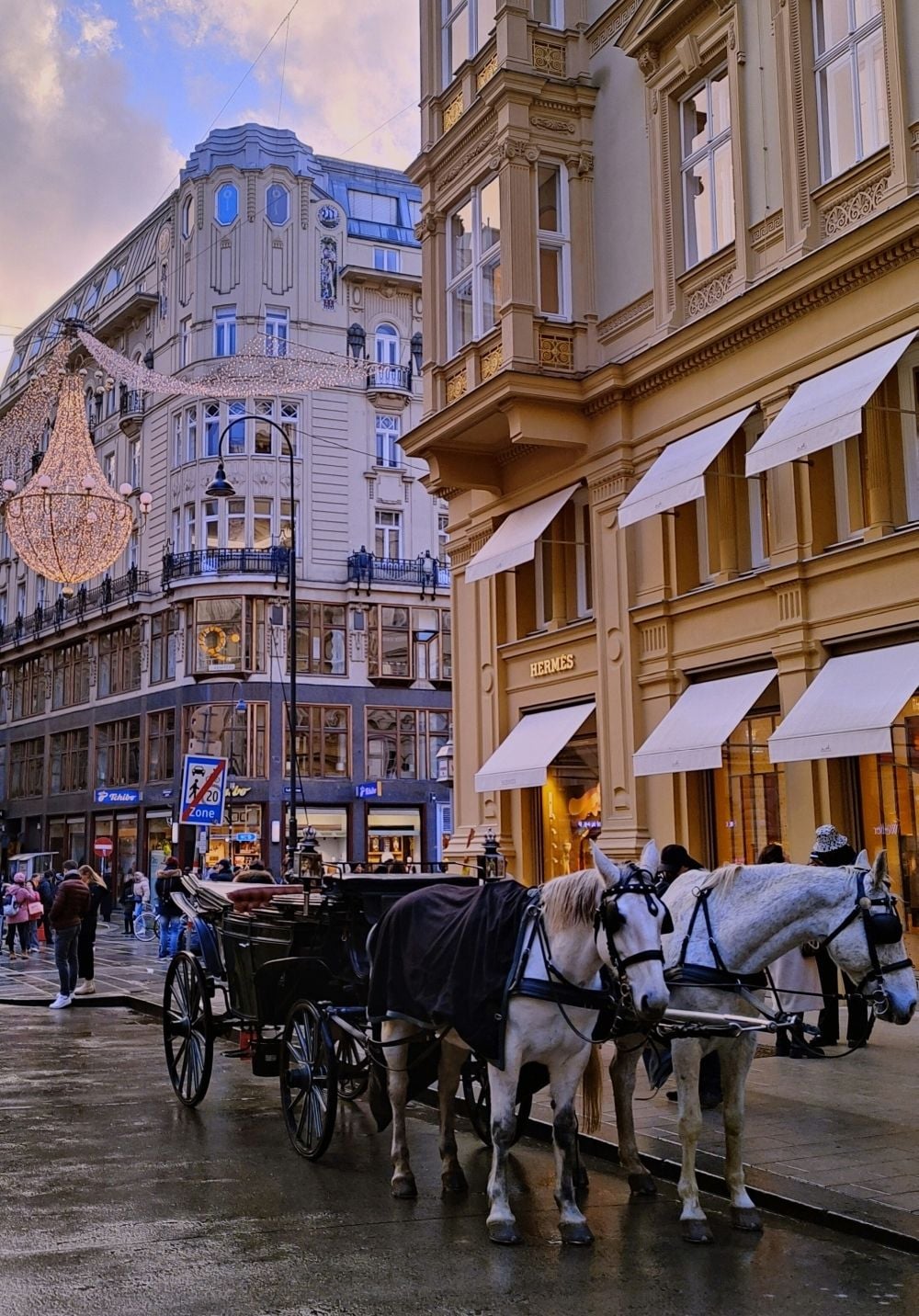
These fantastic cities give you the classic Europe vibe. Great sights, great food, and easy to reach.
Paris | France
Paris is the city everyone dreams about, and it still lives up to it. You get world-famous art, beautiful streets, and a café on every corner.
- Best time: May and September. Mild weather, long days, and smaller crowds than summer.
- Don’t miss: Eiffel Tower, Louvre, and a slow walk along the Seine.
- Good to know: Book big museums online to skip the long lines.
Vienna | Austria
Vienna feels elegant and calm, like a city from another time. Grand palaces, classical music, and famous coffee houses are all here.
- Best time: April to June and September to October. Pleasant weather and fewer tourists.
- Don’t miss: Schönbrunn Palace, the old town, and coffee with cake in a real Viennese café.
- Good to know: The city is very walkable, and public transport is clean and simple.
Barcelona | Spain
Barcelona mixes a big city with the beach in one place. You get amazing architecture, good food, and sunshine most of the year.
- Best time: May and September to October. Warm but not too hot, and less crowded than peak summer.
- Don’t miss: Sagrada Família, Park Güell, and the old streets of the Gothic Quarter.
- Good to know: The city gets very busy in summer, so book Gaudí sites in advance.
Berlin | Germany
Berlin is young, creative, and full of history. It is not about pretty buildings here, but about energy, culture, and stories on every corner.
- Best time: May to September for warm weather and lively outdoor life.
- Don’t miss: Brandenburg Gate, the East Side Gallery, and Museum Island.
- Good to know: The city is big, so use the U-Bahn and S-Bahn to move around fast.
Prague | Czech Republic
Prague looks like a fairy tale, with old bridges, towers, and a castle above the river. It is one of the most beautiful cities in Europe.
- Best time: April to May and September to October. Nice weather and fewer people than summer.
- Don’t miss: Charles Bridge, Prague Castle, and the Old Town Square.
- Good to know: Walk the Charles Bridge early in the morning to enjoy it without the crowds.
Lisbon | Portugal
Lisbon is sunny, relaxed, and full of color. You get old trams, hills with great views, and the sea very close.
- Best time: March to May and September to October. Warm days, golden light, and fewer crowds than summer.
- Don’t miss: The Alfama district, the viewpoints (miradouros), and a ride on tram 28.
- Good to know: The city is very hilly, so wear good shoes for walking.
🍝 Best Food
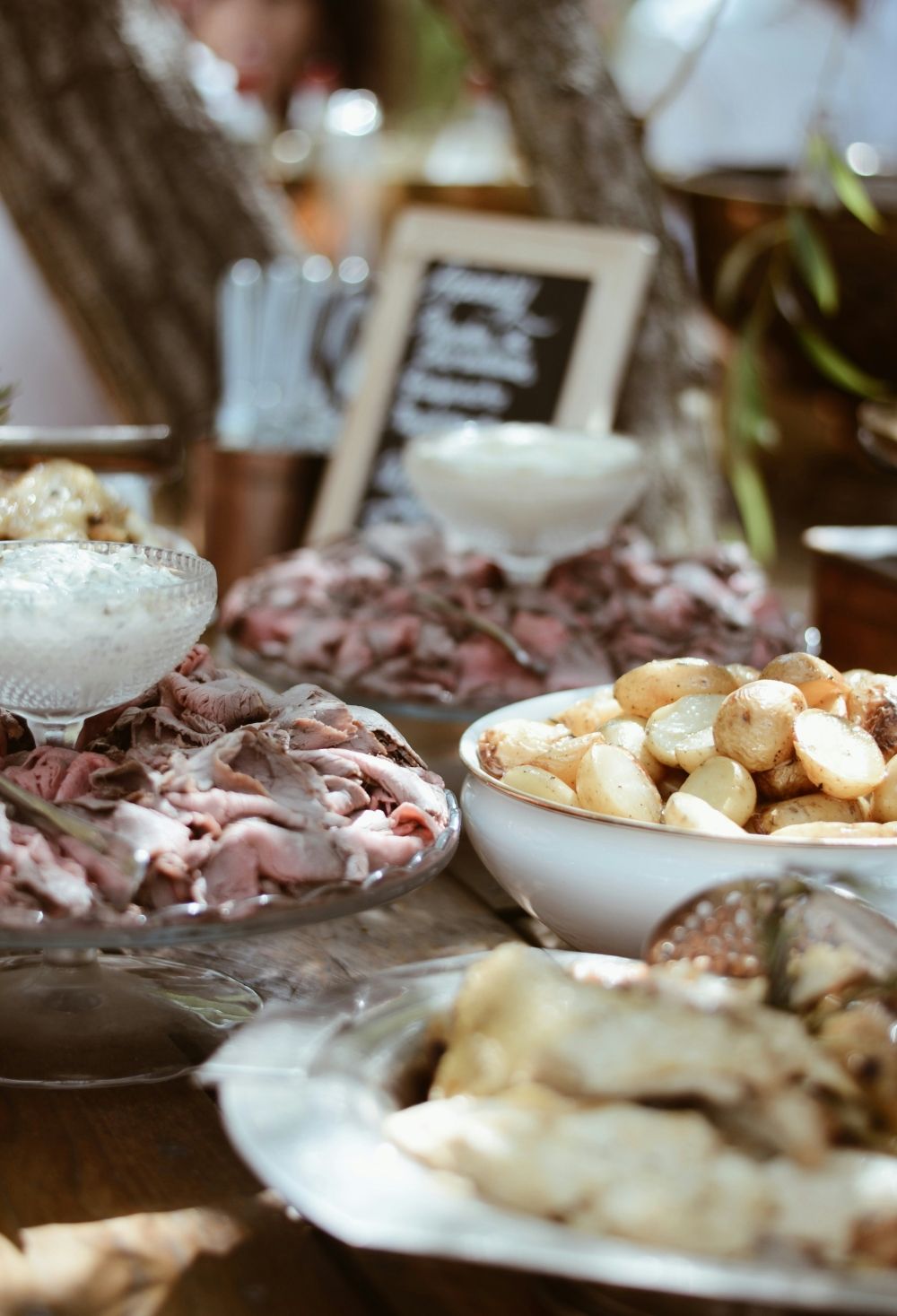
These are the places where you plan your trip around the best European food. Come hungry.
Naples | Italy
Naples is the home of real pizza, and you can taste the difference. The food here is simple, bold, and cheap.
- Must try: Neapolitan pizza from a wood oven, fried street food, and strong local espresso.
- Best time: April to June and September to October. Warm weather without the summer heat.
- Good to know: Eat pizza where the locals line up, not where the tour groups go.
Bologna | Italy
Many Italians say Bologna is the food capital of the country. It is all about fresh pasta and rich, slow-cooked sauces.
- Must try: Tagliatelle al ragù, tortellini in broth, and mortadella.
- Best time: April to June and September to October for mild weather and good market days.
- Good to know: There is no “spaghetti bolognese” here. Order tagliatelle al ragù instead.
San Sebastián | Spain
This Basque city is famous for pintxos, the northern Spanish version of tapas. It also has more top restaurants per person than almost anywhere in the world.
- Must try: A pintxos crawl through the Old Town, one bar at a time, with a glass of local wine.
- Best time: May to June and September for warm days and fewer crowds than peak summer.
- Good to know: Order one or two pintxos per bar, then move on to the next one. That is the local way.
Provence | France
Provence is a whole region built around fresh Mediterranean food. Think olive oil, herbs, seafood, and local markets in every town.
- Must try: Bouillabaisse (fish stew), ratatouille, olive tapenade, and a glass of local rosé wine.
- Best time: May to June and September. The markets are full and the weather is warm but not too hot.
- Good to know: Visit the morning markets in towns like Aix-en-Provence to taste and buy local products.
Istanbul | Turkey
Istanbul sits between Europe and Asia, and the food shows it. You get amazing street food on almost every corner, often for very little money.
- Must try: Balık ekmek (fish sandwich by the water), simit, lahmacun, and fresh baklava.
- Best time: April to May and September to October for mild weather and lower crowds.
- Good to know: Some of the best food is the cheapest. Follow the busy street stalls.
Brussels | Belgium
Brussels is a fun food stop if you love the classics. It is the home of waffles, fries, chocolate, and world-famous beer.
- Must try: Fresh Belgian waffles, fries with sauce, local chocolate, and a real Belgian beer.
- Best time: May to September for warm weather, though the food is good all year.
- Good to know: Belgian fries are served in a paper cone with a wide choice of sauces. Try more than one.
🏖️ Best Beaches
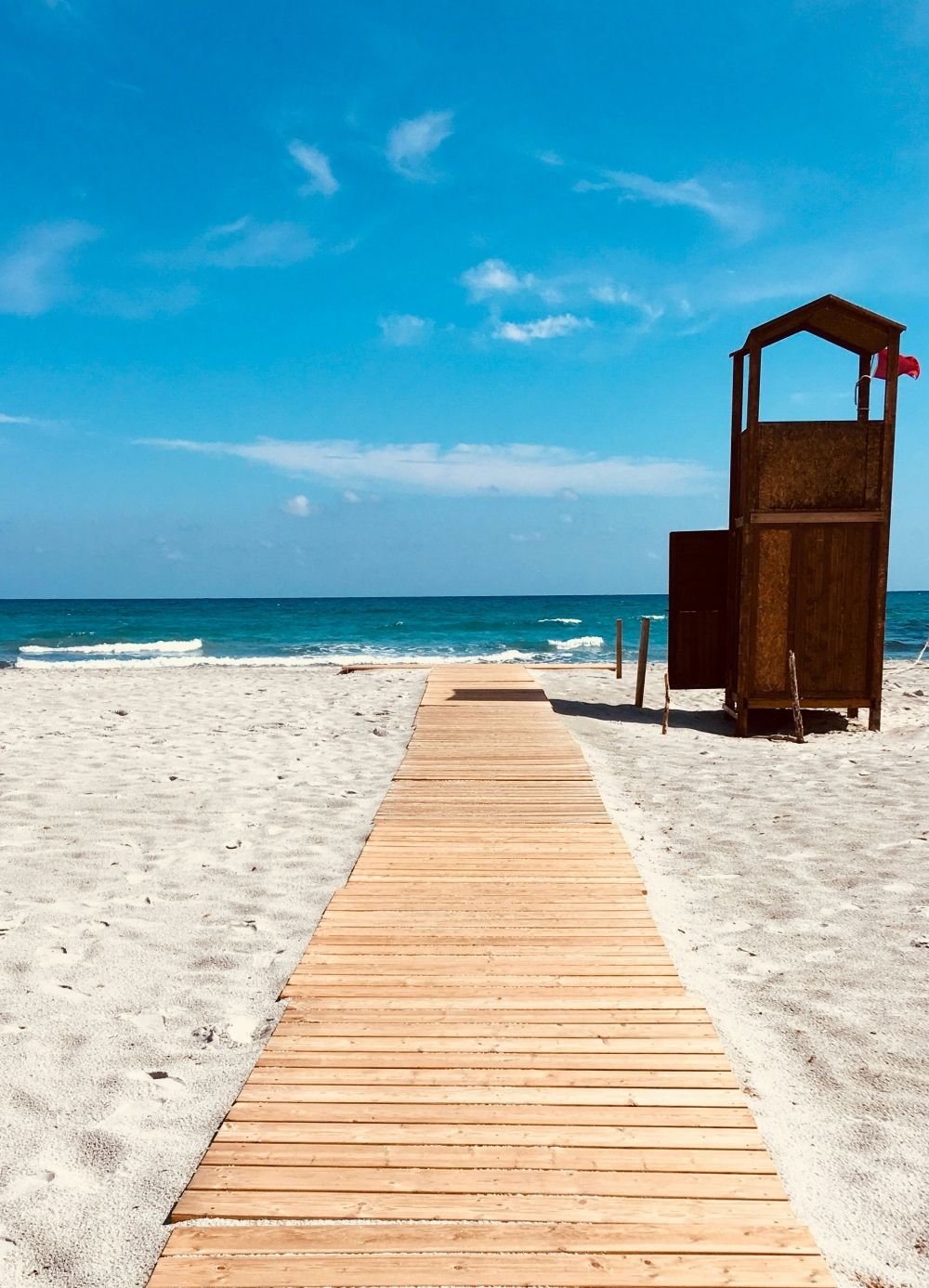
These are the places where the water is clear, and the coast is beautiful. With beaches, timing matters, so check the best months before you book.
Sardinia | Italy
Sardinia has some of the most beautiful beaches in all of Europe. The water is bright turquoise and so clear it almost looks fake.
- Best time: June and September. The sea is warm and the crowds are much smaller than in July and August.
- Don’t miss: La Pelosa in the north and the beaches of the Costa Smeralda.
- Good to know: Many beaches are free. If a beach charges a fee, you are paying for an umbrella and chair.
Crete | Greece
Crete is a big island with many kinds of beaches, from pink sand to hidden coves. It works well if you want beaches and some sightseeing too.
- Best time: June and September. Warm sea, sunny days, and fewer people than peak summer.
- Don’t miss: Balos Lagoon and Elafonisi, both famous for pink-white sand and shallow clear water.
- Good to know: The best beaches are far from the towns, so a rental car helps a lot.
Algarve | Portugal
The Algarve is famous for golden cliffs, hidden coves, and long sandy beaches. It is one of the most beautiful coasts in Europe.
- Best time: June and September. Sunny and warm, with fewer crowds than July and August.
- Don’t miss: The cliffs at Ponta da Piedade near Lagos and a boat ride into the sea caves.
- Good to know: This is the Atlantic, not the Mediterranean, so the water stays cooler than you might expect.
Corsica | France
Corsica has some of the best beaches in the Mediterranean, with white sand, red rocks, and turquoise water. It feels wild and green at the same time.
- Best time: June and September. Warm water and far fewer crowds than the busy summer weeks.
- Don’t miss: Palombaggia and Santa Giulia in the south, both famous for clear lagoon water and pine trees.
- Good to know: A rental car is the best way to reach the beaches, and Palombaggia gets very busy at midday in summer.
Milos | Greece
Milos is a quieter Greek island with strange and beautiful landscapes. The famous Sarakiniko looks like the surface of the moon.
- Best time: Late May to June and September. Warm, calmer winds, and far fewer people than in high summer.
- Don’t miss: Sarakiniko for the white rocks, and a boat trip to the sea caves of Kleftiko.
- Good to know: Sarakiniko is white rock, not sand, and there is no shade, so bring water and go early.
💰 Best Budget Destinations
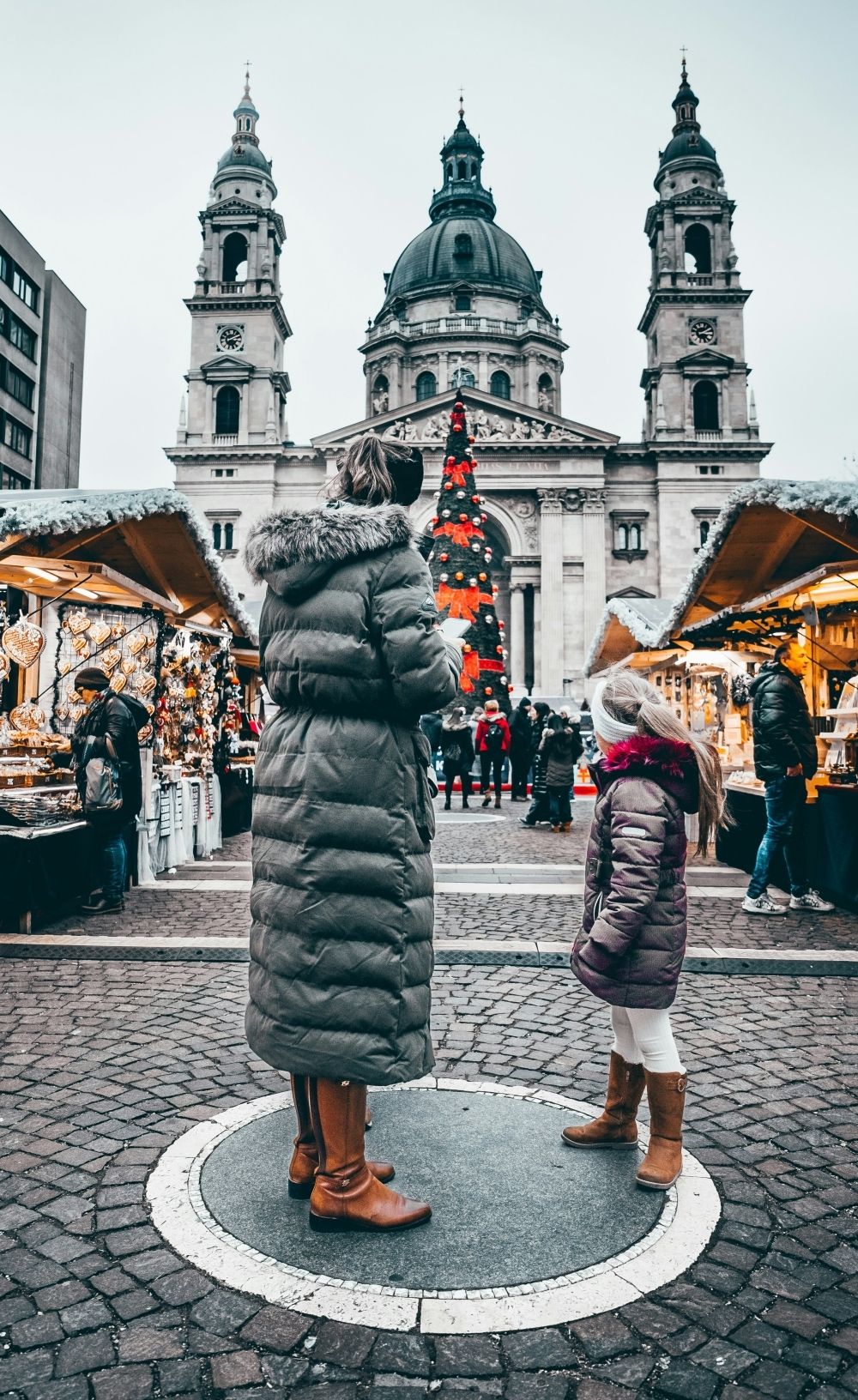
These cities give you a lot for very little money. Great food, rich history, and prices that feel like a gift.
Krakow | Poland
Krakow has one of the most beautiful old towns in Europe, and it stays cheap. You get history, good food, and a lively square without spending much.
- Best time: May to June and September to October. Nice weather and smaller crowds than summer.
- Don’t miss: The Main Square, Wawel Castle, and the old Jewish quarter of Kazimierz.
- Good to know: Pierogi (Polish dumplings) and local beer cost only a few euros.
Budapest | Hungary
Budapest is stunning and still one of the cheapest capitals in Europe. It sits on the Danube and is famous for its grand buildings and thermal baths.
- Best time: April to June and September to October for mild weather and fewer tourists.
- Don’t miss: The Fisherman’s Bastion, Buda Castle, and a soak in the Széchenyi thermal baths.
- Winter is special too: The Christmas markets are some of the best in Central Europe, and the outdoor thermal baths feel magical in the cold.
- Good to know: Many of the best views and sights, like the river and the bridges, are free.
Sarajevo | Bosnia and Herzegovina
Sarajevo is often called the cheapest city break in Europe, and it has a deep, fascinating history. It sits in a valley surrounded by green hills.
- Best time: April to October for comfortable weather and outdoor life.
- Don’t miss: The old bazaar of Baščaršija, the Latin Bridge, and a strong Bosnian coffee.
- Good to know: Meals, coffee, and drinks are very cheap, and there is little pressure to spend.
Sofia | Bulgaria
Sofia is one of the most affordable capitals in Europe and easy to explore on foot. It mixes Roman ruins, old churches, and a mountain right on its doorstep.
- Best time: May to June and September to October for warm, pleasant days.
- Don’t miss: The Alexander Nevsky Cathedral and a day trip up Vitosha Mountain.
- Good to know: Many sights are free, and a free walking food tour is a great cheap start.
Belgrade | Serbia
Belgrade is cheap, lively, and known for its nightlife. It sits where two rivers meet, with a big old fortress above the water.
- Best time: May to June and September to October. Warm days without the summer heat.
- Don’t miss: The Kalemegdan Fortress at sunset and the old bohemian quarter of Skadarlija.
- Good to know: Food and drinks are very cheap, and the nightlife is some of the best value in Europe.
Bucharest | Romania
Bucharest is a cheap and surprising city with grand old buildings and a big park life. It also works as a base for trips into Transylvania.
- Best time: April to June and September to October. Summer can get very hot.
- Don’t miss: The huge Palace of Parliament, the old town, and a day trip toward Brasov.
- Good to know: The train ride from Bucharest to Brasov is cheap and very scenic.
⛰️ Best Mountains
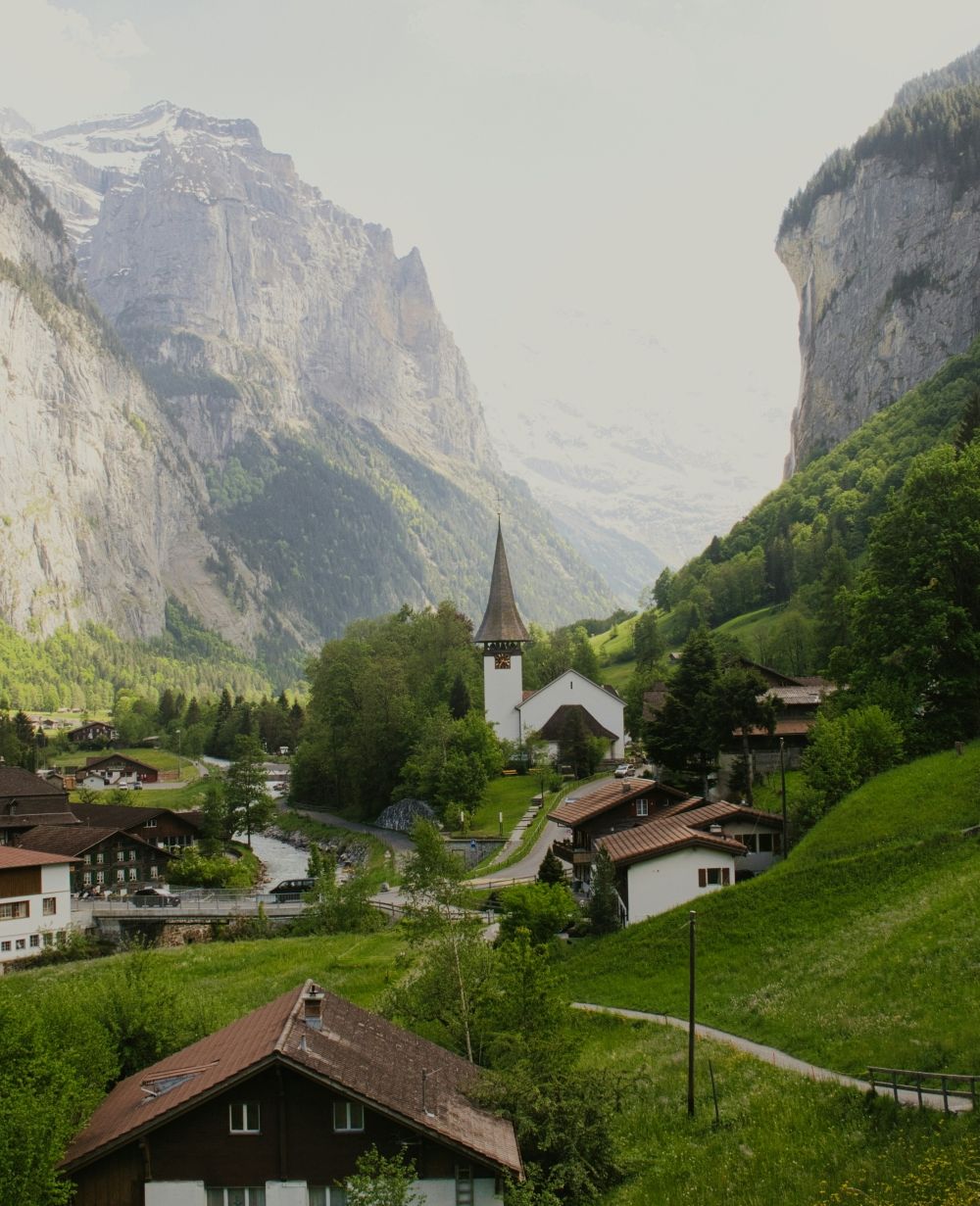
These places are for those who love stunning views, fresh air, and dramatic peaks. Summer is the main season for most of them.
Lauterbrunnen | Switzerland
Lauterbrunnen is one of the most famous valleys in the world. Steep cliffs rise on both sides, with 72 waterfalls dropping into the green valley below.
- Best time: Late May to mid-September. Trails are open and the waterfalls run at full force.
- Don’t miss: The Staubbach Falls, the mountain villages of Mürren and Wengen, and the train up to Jungfraujoch.
- Good to know: Stay a night with a valley view. The light at sunset and sunrise is the best part.
Dolomites | Italy
The Dolomites are seen by many as the most dramatic mountains in Europe. The sharp, pale peaks look completely different from the rest of the Alps.
- Best time: Late June to mid-September for hiking, when the trails and mountain huts are fully open.
- Don’t miss: Lago di Braies, the Tre Cime peaks, and the viewpoint at Seceda.
- Good to know: A rental car helps a lot here, since the best spots are spread across many valleys.
Chamonix | France
Chamonix sits right at the foot of Mont Blanc, the highest mountain in the Alps. It is a lively town full of hikers and climbers.
- Best time: June to September for hiking and clear mountain views. July and August are the busiest.
- Don’t miss: The cable car up to Aiguille du Midi and the train to the Mer de Glace glacier.
- Good to know: The Aiguille du Midi is very high, so the air is thin and cold even in summer. Bring a jacket.
Zermatt | Switzerland
Zermatt is home to the Matterhorn, one of the most famous mountains in the world. The town has no cars, so the air stays clean and quiet.
- Best time: June to September for hiking and the clearest views of the peak.
- Don’t miss: The Gornergrat railway and the five-lakes hike, where the Matterhorn reflects in the water.
- Good to know: The town is car-free. You arrive by train, which is part of the charm.
Hallstatt | Austria
Hallstatt is a tiny village squeezed between a lake and steep mountains. It looks so perfect that it feels almost unreal.
- Best time: May and September for good weather and far fewer people than in high summer.
- Don’t miss: A boat ride on the lake, the Skywalk viewpoint, and the old salt mine above the town.
- Good to know: It gets very crowded at midday, so come early in the morning for quiet streets and the best photos.
🏰 Best Castles
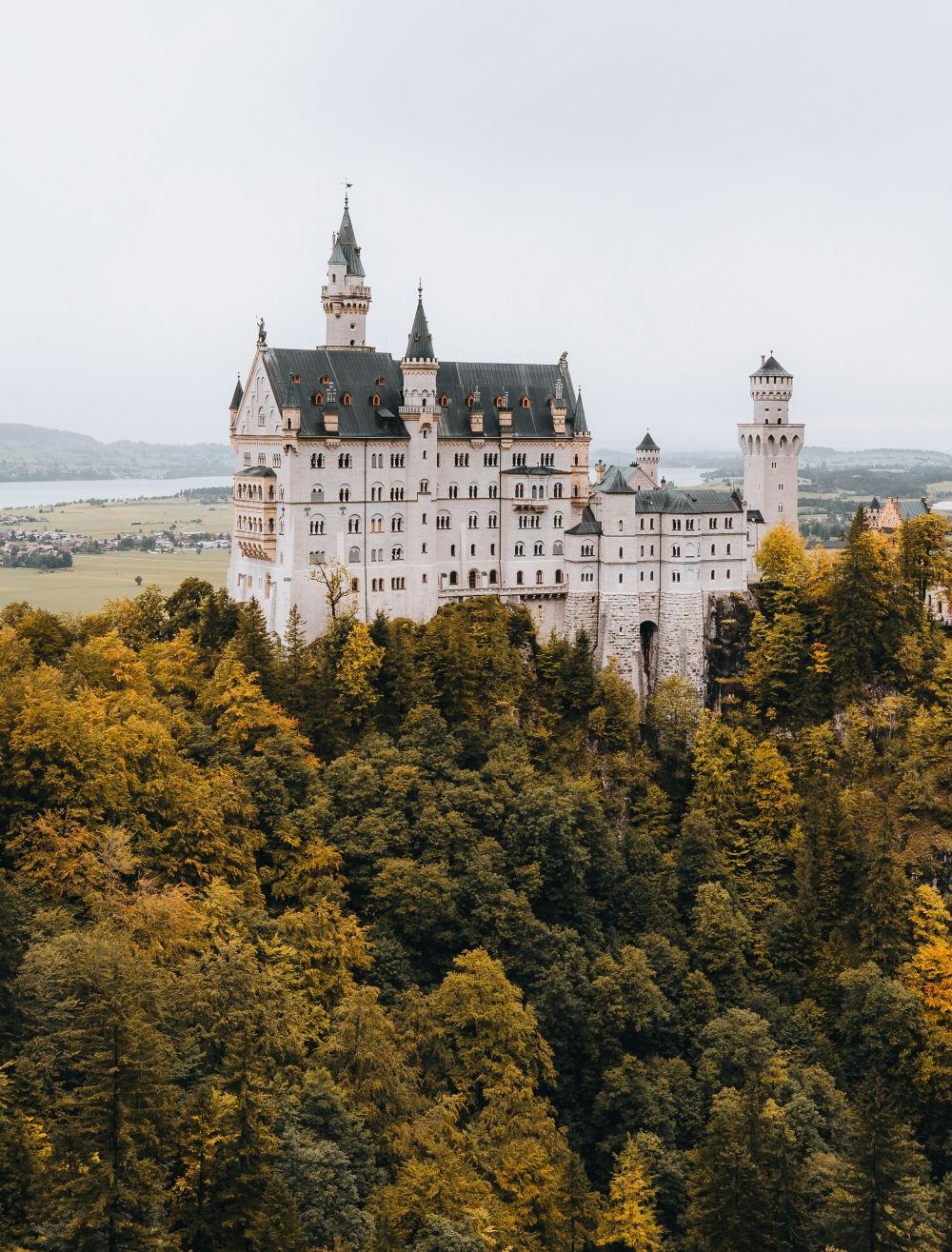
Europe is full of castles, but these five are the ones that look like they came straight out of a story.
Neuschwanstein | Germany
Neuschwanstein is the most famous fairytale castle in the world. It sits high on a hill in the Bavarian Alps and was the model for the Disney castle.
- Built: From 1869, in the 19th century.
- Best time: May to June and September to October. Nice weather and fewer people than the busy summer.
- Don’t miss: The view from Mary’s Bridge (Marienbrücke), where you see the whole castle at once.
- Good to know: You can only go inside with a guided tour, so book your ticket online weeks ahead.
Eltz | Germany
Burg Eltz is one of the most beautiful castles in Europe, hidden deep in a green forest. It is a real medieval castle, still owned by the same family after many centuries.
- Built: From around 1157 (estimated).
- Best time: May to June and September to October for mild weather and autumn colors in the forest.
- Don’t miss: The forest path to the castle and the viewpoints above it for the classic photo.
- Good to know: The inside is open only from about late March to November, and you reach it by a short walk through the woods.
Malbork | Poland
Malbork is the largest castle in the world by area. This huge red brick fortress was built by the Teutonic Knights and feels like a whole medieval town.
- Built: From 1274, finished around 1406 (estimated).
- Best time: May to June and September for good weather and smaller crowds than midsummer.
- Don’t miss: The Grand Master’s Palace and the walk along the river for the full view of the walls.
- Good to know: It is very big, so plan at least half a day. It is an easy day trip from Gdańsk.
Chillon | Switzerland
Chillon sits on a small island on Lake Geneva, with the Alps rising behind it. It is one of the most visited and most beautiful castles in Europe.
- Built: From around the 12th century (estimated).
- Best time: May to June and September to October for warm days and clear views over the lake.
- Don’t miss: The lakeside rooms, the old dungeon, and the reflection of the castle in the water.
- Good to know: A boat ride from Montreux is a lovely way to arrive.
Carcassonne | France
Carcassonne is not just a castle but a whole walled medieval city. With its double walls and many towers, it looks exactly like a castle from a fantasy film.
- Built: Roman walls from the 3rd century, medieval walls mostly from the 13th century.
- Best time: May to June and September to October. Comfortable weather and far fewer crowds than summer.
- Don’t miss: Walking the old ramparts and getting lost in the narrow stone streets inside the walls.
- Good to know: Parking is hard right by the old city, so come early or park below and walk up.
❄️ Winter Magic
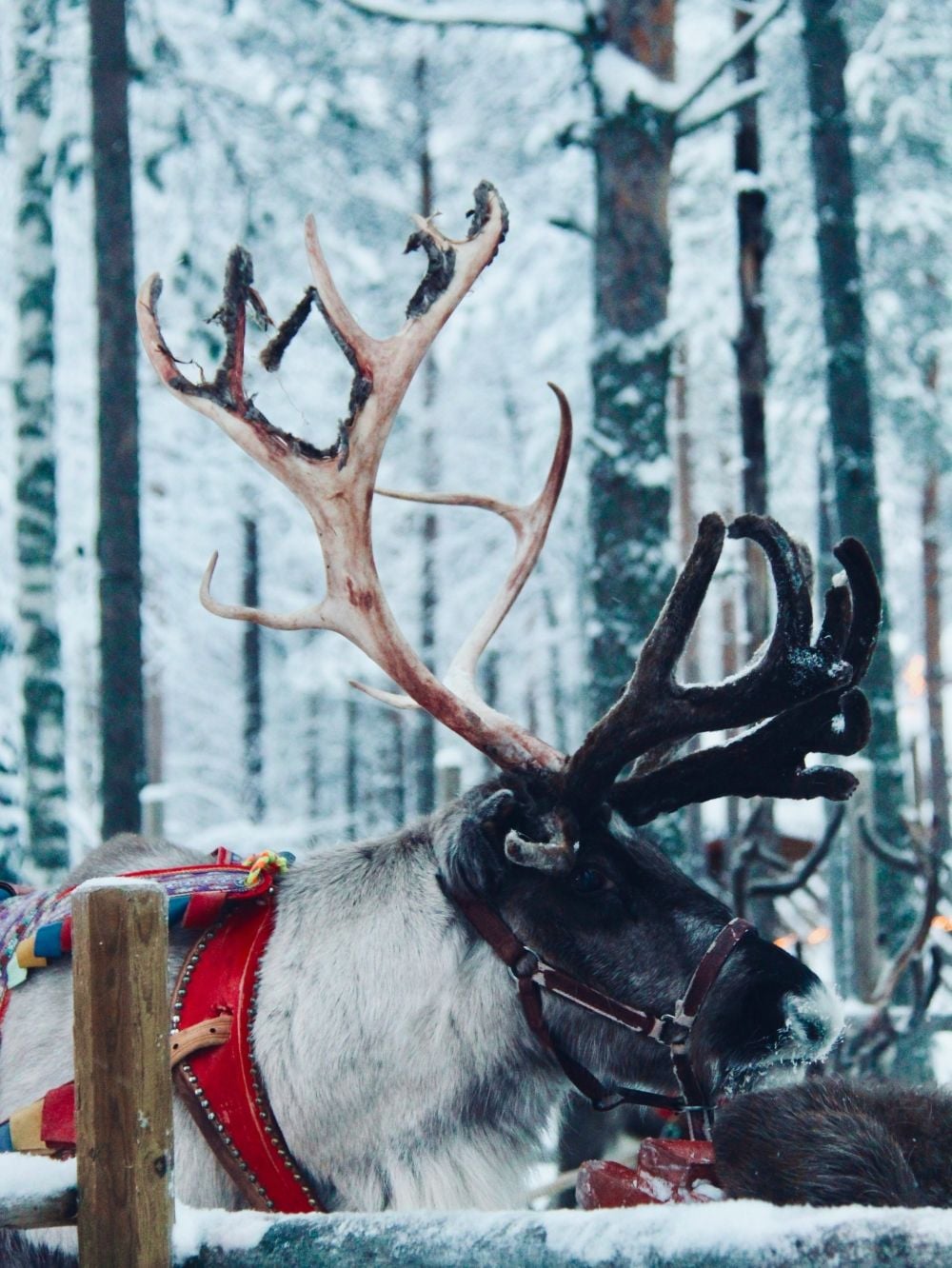
Some places are at their best when it gets cold. These are the magical spots in Europe for snow, northern lights, and festive Christmas charm.
Lapland | Finland
Lapland is the ultimate winter wonderland, deep in the Arctic north. Snow is guaranteed, and it is the home of Santa Claus.
- Best time: December to March for deep snow and full winter activities. Northern lights are possible from about September to April.
- Don’t miss: Santa Claus Village in Rovaniemi, husky and reindeer sledding, and a night in a glass igloo.
- Good to know: In December the sun barely rises, so days are short and dark but very magical.
Tromsø | Norway
Tromsø is one of the best places in the world to see the northern lights. It sits far above the Arctic Circle, surrounded by snowy mountains and fjords.
- Best time: Late September to early April for the northern lights. December brings the dark polar nights and a festive mood.
- Don’t miss: A northern lights tour away from the city, plus dog sledding and whale watching.
- Good to know: Go outside the city lights and stay a few nights, since the lights need a clear, dark sky.
Vienna | Austria
Vienna turns into a festive fairytale in winter. The grand imperial buildings look even better under lights and snow.
- Best time: Mid-November to late December for the Christmas markets, which are some of the most famous in Europe.
- Don’t miss: The market in front of the City Hall (Rathaus), mulled wine, and a warm coffee house afterward.
- Good to know: The markets get busy in the evening, so go earlier in the day for a calmer visit.
Colmar | France
Colmar looks like a page from a storybook, with colorful old houses along small canals. In winter the whole town fills with Christmas markets and lights.
- Best time: Late November to late December for the Christmas markets, which are among the prettiest in Europe.
- Don’t miss: The six markets across the old town, hot wine (vin chaud), and the lights along the canal at night.
- Good to know: Snow is not common here, so the magic comes from the lights and the old houses, not from snow.
Bruges | Belgium
Bruges is a beautiful medieval city with canals and gingerbread-style houses. In winter it feels cozy and festive, with markets and twinkling lights.
- Best time: Late November to early January for the Christmas market and the winter lights.
- Don’t miss: The market on the main square, the ice rink, and a slow walk along the canals after dark.
- Good to know: Snow is rare and rain is common, so pack warm, waterproof clothes. Stay a night to enjoy the evening magic.
Grindelwald | Switzerland
Grindelwald is a classic Swiss mountain village under steep, snowy peaks. In winter it becomes a postcard of white slopes and wooden chalets.
- Best time: December to March for snow, skiing, and clear alpine views.
- Don’t miss: The views of the Eiger, sledding runs, and the train up toward Jungfraujoch.
- Good to know: It is a real ski town in winter, but there is plenty for non-skiers too, like winter walks and mountain trains.