
Packing for the winter months in Florida can be challenging. We compiled a comprehensive guide from our local that will help you pack the right items and make the most of your vacation.
SHOP NOW: Trendy Sweaters for Florida’s Winter on Amazon
🧳 3 Things Our Local Always Packs:
- Sandals: They dry fast, and after rain there are big puddles everywhere. Wet sneakers are no fun. More in mistake #6.
- A sweater or light jacket: The AC in restaurants and shops runs 24/7, even on warm days. More in mistake #4.
- Hair ties: The air can feel sticky, especially in the south, and you will want your hair out of your face. More in mistake #3.
Unlock the ultimate Florida winter experience with our essential tips and let us know if it was helpful!
Make sure to check out our monthly tips after the packing mistakes!
11 Packing Mistakes

1. Not Packing for Certain Activities
Before selecting your outfits, it’s important to consider the activities you’ll be doing in Florida.
Will you spend most of your time at the beach, or will you visit theme parks? Maybe you’re into hiking or want to explore the Everglades.
Knowing your itinerary will help you pack the essentials and leave behind what you won’t need. For example, if you plan to hike, you might want to pack some moisture-wicking clothing.
💡 If you’re hitting the theme parks, comfortable shoes are necessary. Speaking from personal experience, there will be hell to pay if you don’t consider your feet when packing.
I once spent a whole weekend at Universal and Islands of Adventure thanks to a resident discount and a good deal on a park-hopper pass. The combined 15-20K steps per day in unsupportive shoes gave me terrible blisters by the end. You don’t want to deal with that kind of pain!
🎟️ Top Activities in Florida:
All activity links above open in new tabs!
2. Neglecting Geographic Differences
Florida is a diverse state with varying climates, especially during the winter months. For instance, if you’re heading to Jacksonville in the north, you’ll need more winter wear compared to a trip to Miami in the south.
Northern Florida can experience temperatures ranging from the mid-30s to the high 40s at night, while southern Florida enjoys milder winters with daytime temperatures mostly in the 70s. So, remember, the further south you go, the warmer it will be.
💡 If you’re staying in the north, you might want to pack a few extra layers.
Please find below the average high temperatures during the winter months in different regions/cities:
| Average High Temps | December | January | February |
|---|---|---|---|
| Miami | 76°F (24°C) | 74°F (23°C) | 75°F (24°C) |
| Tampa | 73°F (23°C) | 71°F (21°C) | 73°F (23°C) |
| Orlando | 74°F (23°C) | 72°F (22°C) | 75°F (24°C) |
| Jacksonville | 68°F (20°C) | 66°F (19°C) | 69°F (20°C) |
| Destin | 64°F (18°C) | 62°F (17°C) | 64°F (18°C) |
3. Underestimating the Power of the Winter Sun
The sun in Florida can be quite intense, even in winter. You might be enjoying a pleasant 67-degree day in the shade, but step into the sun, and it can feel like 80 degrees.
So, don’t forget to pack your sunscreen to protect your skin. A good pair of sunglasses and a hat can also provide extra protection against the sun’s rays.
💡 It’s easy to underestimate the humidity as well as the sun in the winter. If you have thick or long hair, pack plenty of hair ties, bandanas, headbands, etc. The humidity is always unbearably high, even in winter, and you will find yourself wanting to get your hair out of your face after some time in the sticky weather.
4. Overlooking the Importance of Sweaters and Light Jackets

- QUALITY FABRIC - Made from slub cotton jersey, creating an uneven texture. (Dada Grey Heather is a...


- Fabric: Made from a smooth, structured fabric with a trench coat look and casual jacket comfort. Lightweight yet...

- Cozy Wool Blend Cardigans: Experience the our wool blend cardigan sweaters for women. This lightweight cardigan...
Florida’s weather can be quite unpredictable. In winter, a cold front can bring rain and cooler air within a few hours. Also, temperatures can drop significantly in the evening.
SHOP NOW: Trendy Sweaters for Florida on Amazon
So, pack light jackets for the daytime and sweaters for the nighttime. Hoodies are also a great option for Florida winters. If you’re in the north, consider packing a fleece or a thermal sweater for extra warmth.
💡 Bonus Tip: We always keep a sweater or light jacket when dining out in an indoor space in Florida, even on warm days. Why? The air conditioning inside is usually running 24/7. This is a good tip to keep in mind if you are someone who gets cold easily.
Evenings tend to bring a cool breeze, so jeans are appropriate to wear.
5. Overpacking Winter Accessories
Generally, you won’t need scarves, mittens, or beanies in Florida, unless you’re heading to the northern parts like Jacksonville. If you’re someone who gets cold easily, you might want to pack a scarf or a hat, but these are generally not needed.
In southern Florida, you can easily get away with just a light jacket.
6. Packing the Wrong Footwear


- 【Slim Flip Flop for Women】The summer beach flip flops sandals are your go-to flip flop with their easy-to-wear...

- Womens Dressy Casual Sandals: Elegant and trendy style. Minimalist thin-strap faux leather sandals can dress up and...
Save some space in your luggage by leaving those heavy snow boots and Uggs at home. They’re just too much for Florida’s mild winter.
Instead, opt for lighter, more versatile footwear like sneakers or ankle boots. If you’re in northern Florida, you might want to pack some warm socks as well.
💡If visiting South Florida, you can save even more space by planning to wear sandals and flip-flops. The weather will not be cold enough to make closed-toed shoes a necessity, and sandals will work well for a beach day. They will also dry much faster than socks and sneakers if you happen to get caught in a downpour.
From personal experience living in South Florida, I will say that sandals are nearly always more convenient than sneakers. For a place that sees so much rain, the drainage systems could use some improvement, and there are always giant puddles everywhere. I’ve frequently made the mistake of not looking where I’m going and soaking through sneakers.
However, you still should bring a pair of sneakers, of course.
7. Disregarding the Versatility of Long Sleeves and Pants

- Material: This women's top is made of 92.2%Polyester 7.8%Spandex. This T-shirt has a soft texture, feels good on...

- Polyester Material, Lightweight, Quick Dry, Moisture Wickingand Comfortable

- Made of 100% Cotton, this lightweight shirt offers a linen-like texture for ultimate comfort. Perfect for summer...
A long-sleeve shirt can be a great alternative to a jacket on a breezy day. It’s also easier to roll up your sleeves if you get too warm. For the lower half of your body, jeans, sweatpants, or joggers are good choices to keep you warm.
In northern Florida, warmer pants can be a lifesaver, especially in the evenings.
8. Ignoring Weather Forecasts
Florida’s weather can change quickly, so it’s a good idea to keep an eye on the forecast during your trip. Pay special attention to the “Feels Like” temperature and wind speed, as these can affect how cold or warm it actually feels outside.
Watch out for cold fronts. From late November to March, cold fronts come down from the north. One day can be sunny with 80°F, and the next day it’s only in the 50s. A cold spell like this usually lasts two or three days. Then it gets warmer again.
After a strong cold front, nights can drop close to freezing in northern Florida. In Orlando and Tampa, you can see nights in the 40s, and even Miami can go down into the 50s.
💡 The day after a cold front is often sunny, dry, and windy. It looks warm, but it feels much colder. So always pack one warmer layer, even if you stay in Miami.
9. Not Packing Swimwear

- Material: 82% Nylon, 18% Spandex. The bikini sets for women is made of high-quality, soft, breathable, and stretchy...

- Features: 2 piece bikini swimsuit, polka dots, halter neck, sleeveless, tie backless, triangle bathing suit

- Fabric has stretch
Even in winter, the beaches in southern Florida can be quite warm, with water temperatures averaging around 75 degrees Fahrenheit.
In northern Florida, the water might be a bit cooler, but it’s still possible to enjoy a day at the beach depending on your tolerance for cold.
SHOP NOW: Trendy Swimwear on Amazon
If you’re in the South, definitely pack that swimsuit!
10. Not Considering the Humidity’s Effects
While everyone is aware that higher humidity means warmer-feeling temperatures, more sweating, and a higher chance of dehydration, those who pack short or revealing clothes forget that chafing is also a very common symptom.
If you plan on wearing short shorts that will give the chance for your thighs to rub together, you should also plan to pack special deodorant or baby powder to apply to the skin and minimize chafing.
Chafing can begin very quickly if you’re sweating, often in less than 30 minutes. Packing supplies to reduce chafing is non-negotiable if you plan on walking around all day, especially in south Florida.
11. Not Planning for Water Rides at Theme Parks

- Reliable Rain Protection On-the-Go: Stay dry and confident during sudden downpours with Hagon PRO disposable rain...

- 【Affordable Pack of 4】Enjoy great value with this 4-pack of disposable rain ponchos. Each poncho is...

- [Material & Waterproof Function]: Crafted from high-density 100% polyester with a PU 5000MM waterproof coating and...
Many theme parks in Florida have water rides, like log flumes, river rafts, or splash zones. In summer, getting wet feels great. In winter, it’s a different story.
After a water ride, you might walk around in wet clothes for hours. With 60-something degrees and some wind, you get cold fast, especially in the late afternoon.
💡 Pack a cheap poncho from home. You can buy ponchos in the parks, but they cost a lot more there.
On theme park days with water rides, wear quick-dry clothes instead of jeans. Jeans stay wet for a long time. Also bring a spare pair of socks in a zip bag and a waterproof pouch for your phone.
Monthly Outfit Tips

Make sure to read our monthly outfit and packing tips from our Florida resident:
- December: Florida Outfits and Packing
- January: Florida Outfits and Packing
- February: Florida Outfits and Packing
Winter Packing List

Clothing
- Light Jackets: For daytime activities in the north, and for the possible evening chill in the south.
- Thick Sweaters: For colder evenings, especially in the north.
- Long-Sleeve Shirts: Versatile and can be worn day or night.
- T-Shirts: For those warmer days, especially in southern Florida.
- Jeans and Joggers: To keep your legs warm. Thermal leggings are good for the north.
- Shorts: For warmer days, especially in southern Florida.
- Swimsuits: If you’re in southern Florida, you’ll likely need one!
Footwear
- Sneakers: Comfortable and versatile.
- Sandals: A must in south Florida, especially for a beach day!
- Ankle Boots: If you want to be a bit more stylish.
- Warm Socks: Especially if you’re in northern Florida.
Accessories
- Sunscreen: A must-have to protect your skin. Opt for something with SPF 30 or higher.
- Hat and Sunglasses: Optional in northern Florida. We strongly encourage packing these if you plan on spending time in south Florida.
- Hair ties for long hair: The humidity is no joke, especially in the south, and you will want to put your hair up!
Miscellaneous
- Umbrella: For those unexpected rain showers.
- Reusable Water Bottle: Stay hydrated!
7 Essential Florida Visiting Tips [Bonus Advice]
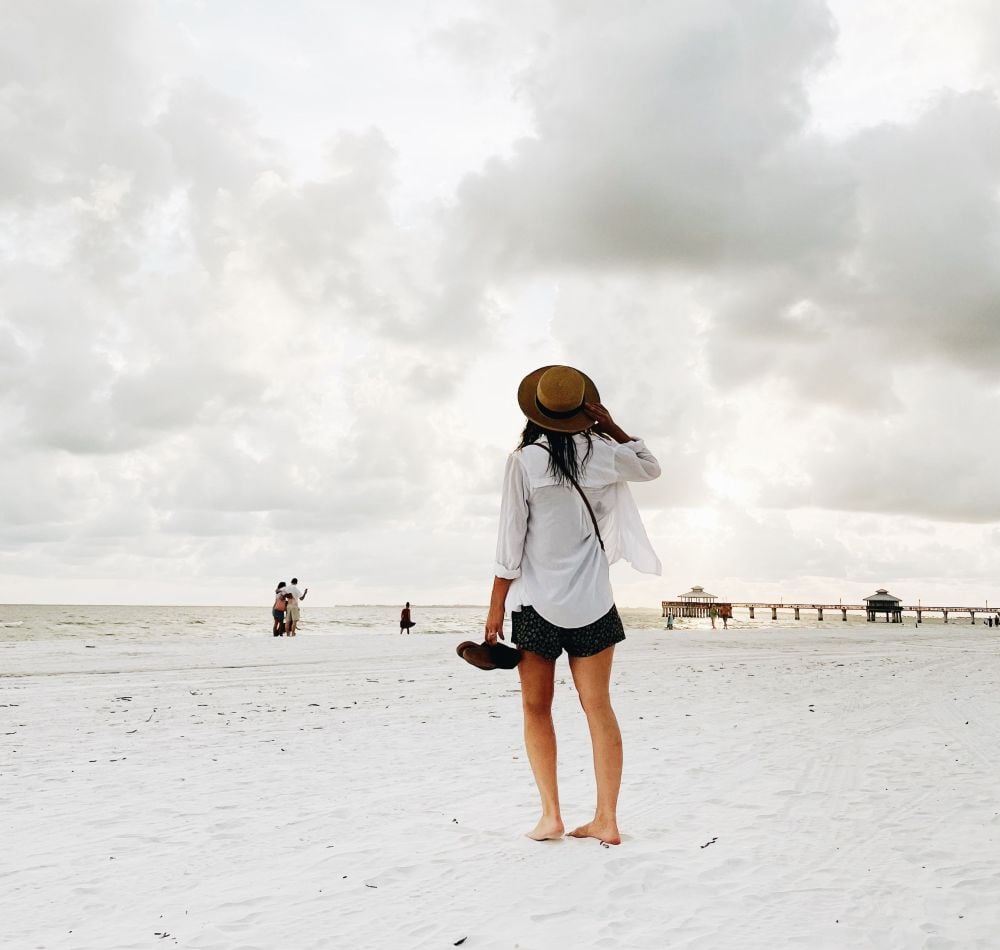
To help plan your time in Florida, here are seven important tips related to health, safety, and local etiquette.
1. Spend at Least a Week Exploring
A week in Florida allows you to experience its varied landscapes and attractions. Don’t limit yourself to just the theme parks in Orlando or a single beach. Utilize the Brightline train to travel between major cities like Orlando and Miami efficiently.
Explore historic towns like St. Augustine, the oldest continuously inhabited European-founded city in the U.S., and enjoy Tampa’s bustling craft brewery scene. We highly recommend visiting Sarasota. Each region in Florida has its unique charm, from the Gulf Coast’s serene beaches to the lively streets of Miami.
More Hidden Gems:
- Cedar Key: A quaint island community, perfect for a peaceful retreat.
- Mount Dora: Known for its antique shopping and annual festivals.
- Sanibel Island: A haven for shell collectors and nature lovers.
- Crystal River: The only place in the U.S. where you can legally swim with manatees.
- Pensacola: Rich in history and home to stunning white-sand beaches.
Adding these hidden gems to your itinerary can provide a unique and memorable Florida experience, showcasing the state’s lesser-known but equally fascinating attractions.
What’s the Brightline Train? The Brightline train is a modern, high-speed rail system that offers a comfortable and efficient way to travel across Florida. It connects major hubs like Miami, West Palm Beach, Fort Lauderdale, and Orlando.
This service provides an alternative to driving, with amenities such as free Wi-Fi, comfortable seating, and on-board service, making your travel experience enjoyable and hassle-free.
2. Visit the State Parks
Florida’s national parks, including Biscayne, Dry Tortugas, and Everglades, are well-known for their stunning landscapes and diverse wildlife.
However, Florida’s state parks also offer breathtaking experiences. For a quieter adventure, consider visiting Bahia Honda State Park in the Florida Keys for snorkeling among starfish or exploring the underground wonders at Florida Caverns State Park near Tallahassee.
These state parks provide a more secluded and intimate connection with Florida’s natural beauty.
Bahia Honda State Park [Our Tip]: This state park in the Florida Keys is a must-visit for its unique natural beauty. It’s known for its stunning white sand beaches, clear turquoise waters, and excellent snorkeling opportunities.
The park offers a chance to see a diverse array of marine life and is ideal for swimming and beachcombing. Its scenic environment provides a tranquil escape from busier tourist spots, making it a perfect location for those seeking a peaceful and picturesque outdoor experience in Florida.
3. Navigating the Challenging Traffic in South Florida
When renting a car, especially in South Florida’s busy areas like Miami, Fort Lauderdale, and West Palm Beach, prepare for challenging driving conditions.
The limited north-south routes, including Interstate 95 and the Florida Turnpike, often experience heavy traffic and aggressive driving. Be cautious of motorcycles weaving through traffic and frequent instances of road rage.
Staying vigilant and avoiding confrontations with other drivers is key to a safe driving experience in Florida.
4. Embrace the Cafecito Culture
The cafecito, a strong Cuban espresso, is a must-try in Florida, especially in the southern part of the state. This sweet, powerful coffee reflects Florida’s rich Cuban influence and is typically served in small plastic cups.
Enjoying a cafecito is not just about the drink but also about immersing yourself in a vital part of Florida’s cultural fabric.
5. Alcohol on Florida Beaches
While many Florida beaches prohibit alcohol, some allow it under certain conditions. Popular beaches where you can legally enjoy a drink include Perdido Key, Panama City Beach, Madeira Beach, and Siesta Key Beach.
Remember to check local regulations, typically available on city government websites, and note that glass bottles are often not allowed.
6. Boating with a Captain
For a stress-free boating experience in Florida, consider hiring a captain. This is especially advisable if you’re unfamiliar with local waterways or plan to drink alcohol.
A licensed captain ensures keeping to safety regulations, navigational rules, and local boating laws. Whether cruising the St. Johns River in Jacksonville or fishing near Daytona Beach, a captain can enhance your experience and ensure a safe journey.
7. Understanding Beach Safety Flags
Beach safety in Florida is paramount, and knowing the meaning of lifeguard flags is essential.
A green flag indicates calm conditions, yellow signifies moderate surf and currents, and red warns of high surf and strong currents.
A second red flag means the water is closed to the public. A purple flag indicates the presence of potentially dangerous marine life, like jellyfish. Heeding these flags ensures a safer beach experience.