When Is the Best Time
Helgoland is a fantastic year-round destination with stunning wildlife to view. However, there are some very special months.
The best time to visit Helgoland (Heligoland) is from November to April. During that period the tourist crowds are at their lowest compared to late spring, summer, and fall.
Highlights

During the bird migrations in spring and fall, it turns into a birdwatcher’s paradise with an average of 250 bird species. Mid-June until early July for about 2 weeks: The event is amazing and called ‘Lumensprung’.
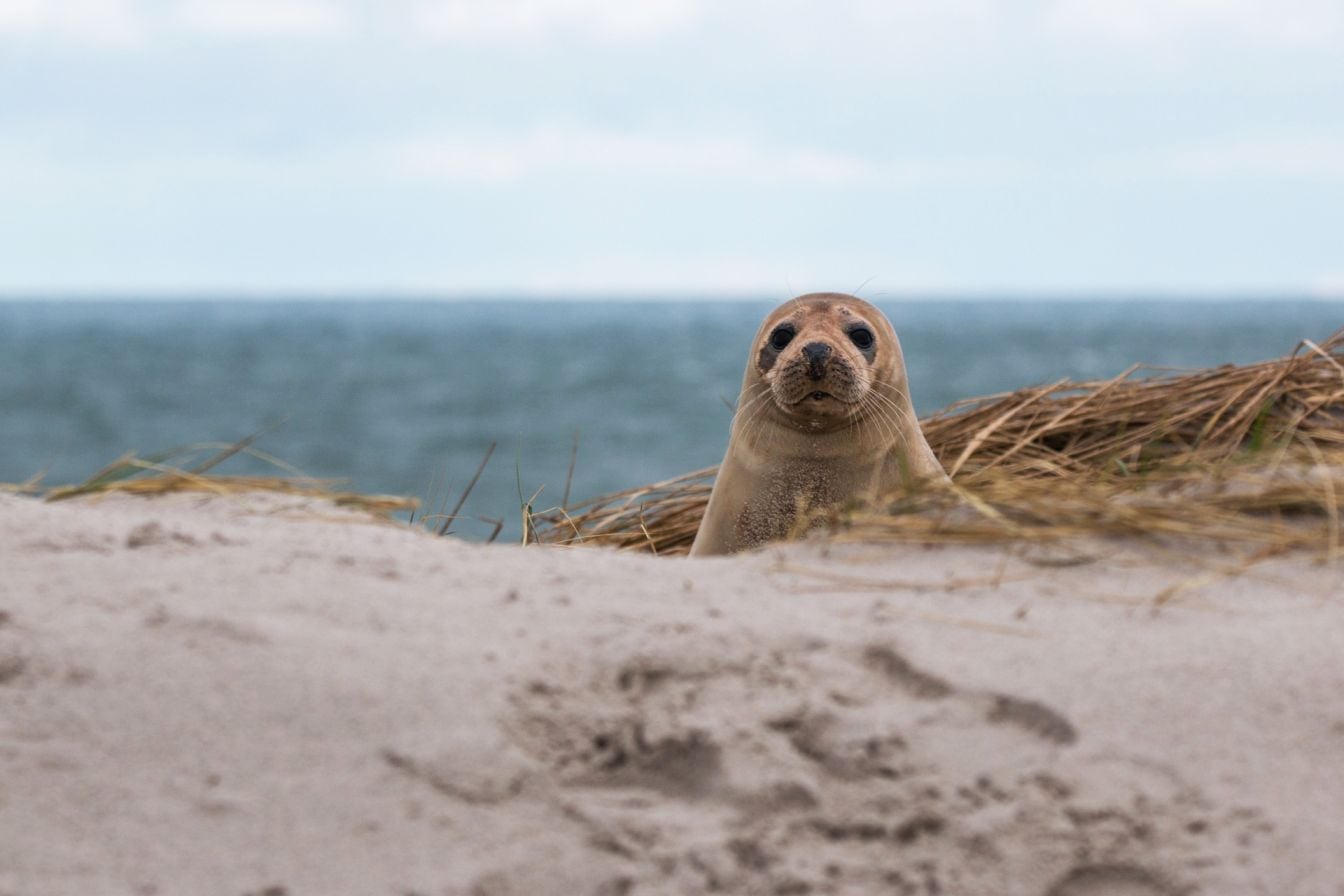
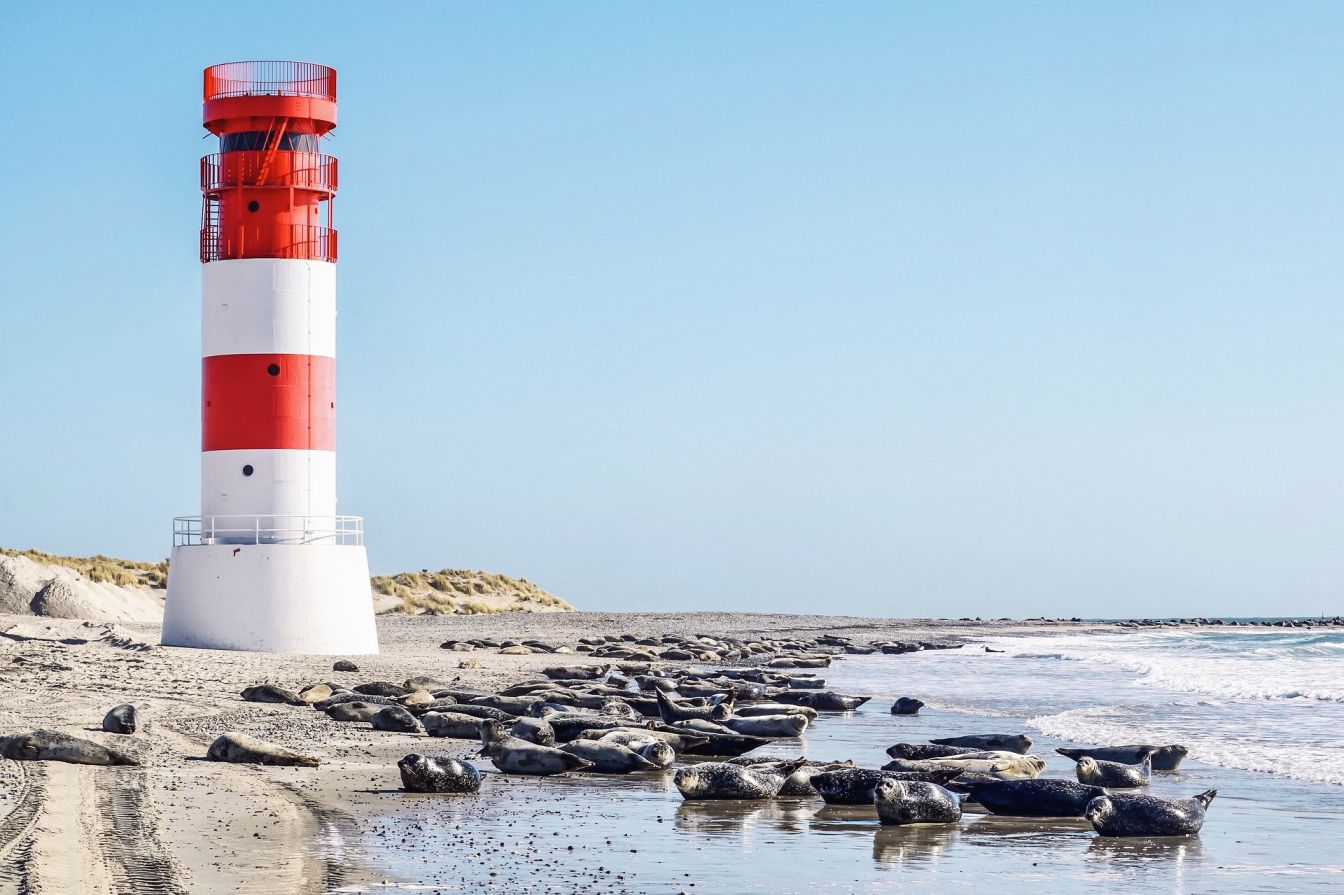
In the late afternoon, the adult guillemot is attracting their youngsters to jump into the ocean from a 40m+ height. The exact time in June can be predicted each year from April on. November/December until January: Horsehead Seals give birth to their young, which is just spectacular: Heligoland Seals
Avoiding Crowds
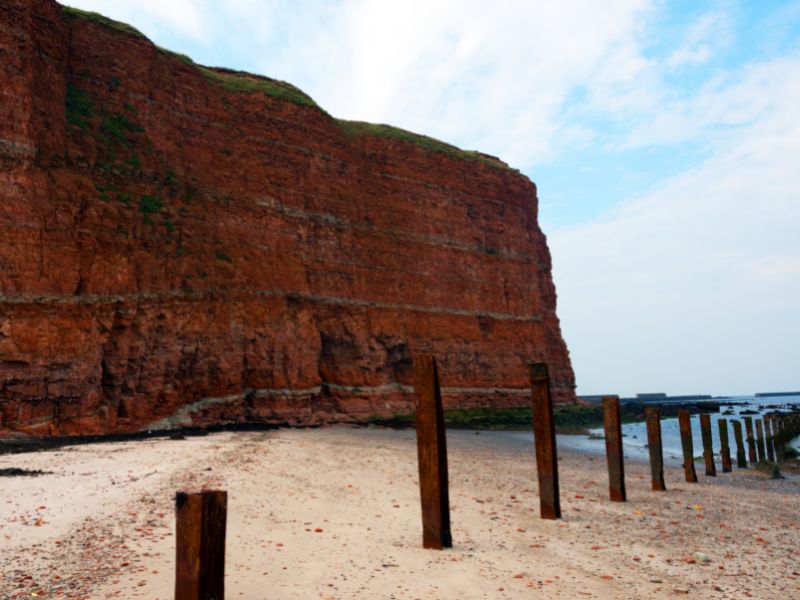
Helgoland (English: Heligoland) is an offshore island. The only one in Germany. Most tourist crowds dissipate after 4 PM. You may spot guillemot, gannets, seagull, etc. On the dune island, you can see harbor seals as well as horsehead seals from a very close distance.
Stay past 4 PM/overnight. Even during summer, it thins out after 4 PM as the crowds of daytime visitors are gone. This way you can experience the real magic of this beautiful island. Stay at least 2-3 days and book a hotel or a B&B.
Weather
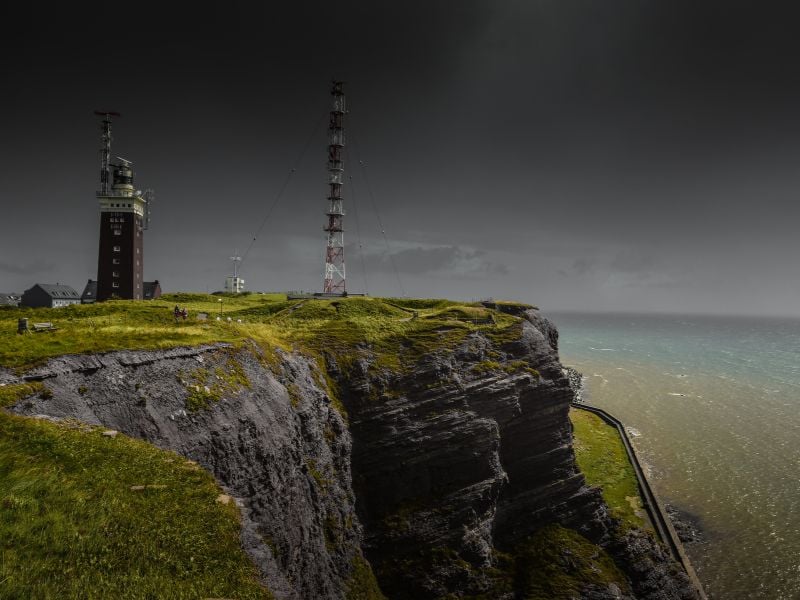
The weather is influenced by the Gulf Stream. Bright, not too hot summers and mild winters. In November/December it’s actually the warmest place in Germany. However, in some winters there is even a chance of snow. The quieter months in terms of tourist crowds are November/December until April.
7 Essential Visiting Tips

To make the most of your Heligoland experience, consider these seven helpful tips:
1. Plan Your Trip During the Right Season
Best Time to Visit for Great Weather
The peak season for visiting Heligoland is during the warmer months, from May to September. The weather is pleasant, with average temperatures ranging between 15°C and 20°C, making it the perfect time to explore the island and enjoy outdoor activities. However, keep in mind that this is also when the island is the busiest, so booking accommodations and tours in advance is highly recommended.
Off-Season Benefits
If you prefer a more peaceful experience, consider visiting Heligoland during the off-season, from November to April. While the weather can be colder and less predictable, you’ll benefit from fewer crowds and lower prices on accommodations. Additionally, some bird species, such as the northern gannet, are more visible during these months.
2. Book a Guided Tour
Heligoland is a destination steeped in history, from its time as a British territory to its role during both World Wars. Booking a guided tour will provide you with invaluable insights into the island’s past and its unique geological features. Local guides can also take you to the best spots for wildlife-watching and provide information on the island’s conservation efforts.
3. Explore the Island on Foot or by Bicycle
With its small size, Heligoland is easy to navigate on foot or by bicycle. Rent a bike or simply walk
to explore the island’s picturesque landscapes and hidden gems. This eco-friendly mode of transportation allows you to truly immerse yourself in the tranquil surroundings and experience the island at a leisurely pace. Make sure to wear comfortable shoes and bring a map or download an offline map on your phone for easy navigation.
4. Visit the Heligoland Bird Observatory
Heligoland is a haven for bird enthusiasts, as the island is home to a variety of seabirds, including guillemots, gannets, and kittiwakes. The Heligoland Bird Observatory, run by the Ornithological Society of Heligoland, is a must-visit destination for birdwatchers.
Here, you can learn about the island’s diverse birdlife and the ongoing research and conservation efforts to protect them. Plan your visit during migration seasons (spring or autumn) for the best chance to spot a wide variety of species.
5. Respect the Island’s Fragile Ecosystem
Heligoland boasts a unique ecosystem that is sensitive to human impact. As a responsible tourist, it’s essential to follow guidelines to minimize your footprint. Stick to designated paths when hiking, do not disturb or feed wildlife, and avoid picking plants. Carry a reusable water bottle and a bag for trash to ensure you leave no trace behind. By following these simple practices, you can help preserve the island’s natural beauty for future generations to enjoy.
6. Discover Local Culinary Delights
Heligoland’s cuisine is primarily influenced by its coastal location, offering a variety of seafood dishes to savor. Try local specialties like Heligoland lobster soup or Knieper, a dish made from the local edible crab.
For those with a sweet tooth, the Heligoland Bunte Kuh, a marzipan-filled chocolate, is a must-try treat. Pair your meal with a glass of the local spirit, Heligoland’s Island Whiskey, which is distilled on the island. Enjoying the local cuisine is a great way to experience the island’s unique culture and support local businesses.
7. Learn About Heligoland’s Duty-Free Shopping
One of the unique aspects of visiting Heligoland is the opportunity to shop duty-free. The island has a tax-free status, which means you can find great deals on a variety of products, including perfumes, electronics, and alcohol.
Make sure to explore the various shops and boutiques for unique souvenirs or gifts. However, be aware of customs regulations and limits when bringing goods back to the mainland to avoid any issues.
Conclusion
Heligoland is a captivating destination that offers a rich combination of natural beauty, fascinating history, and unique wildlife. By following these seven tips, you’ll be well-prepared to make the most of your island getaway. Whether you’re an avid birdwatcher, a history buff, or simply seeking a tranquil retreat, Heligoland promises an unforgettable experience.