
Winter is my absolute favorite time in Europe. I do love the snow, the lights, and the quiet streets (ok, it’s not quiet in popular places or iconic Christmas Markets ;)).
Some places just feel like magic when it gets cold. I have visited so many of these spots myself.
I stood under the northern lights in the north. I walked through Christmas markets with a hot drink in my hand. Every place on this list gave me something special. So here are my favorite winter places in Europe. Some are made for snow. Some are made for lights and markets. You will find the right one for your next trip.
1. Lapland | Finland
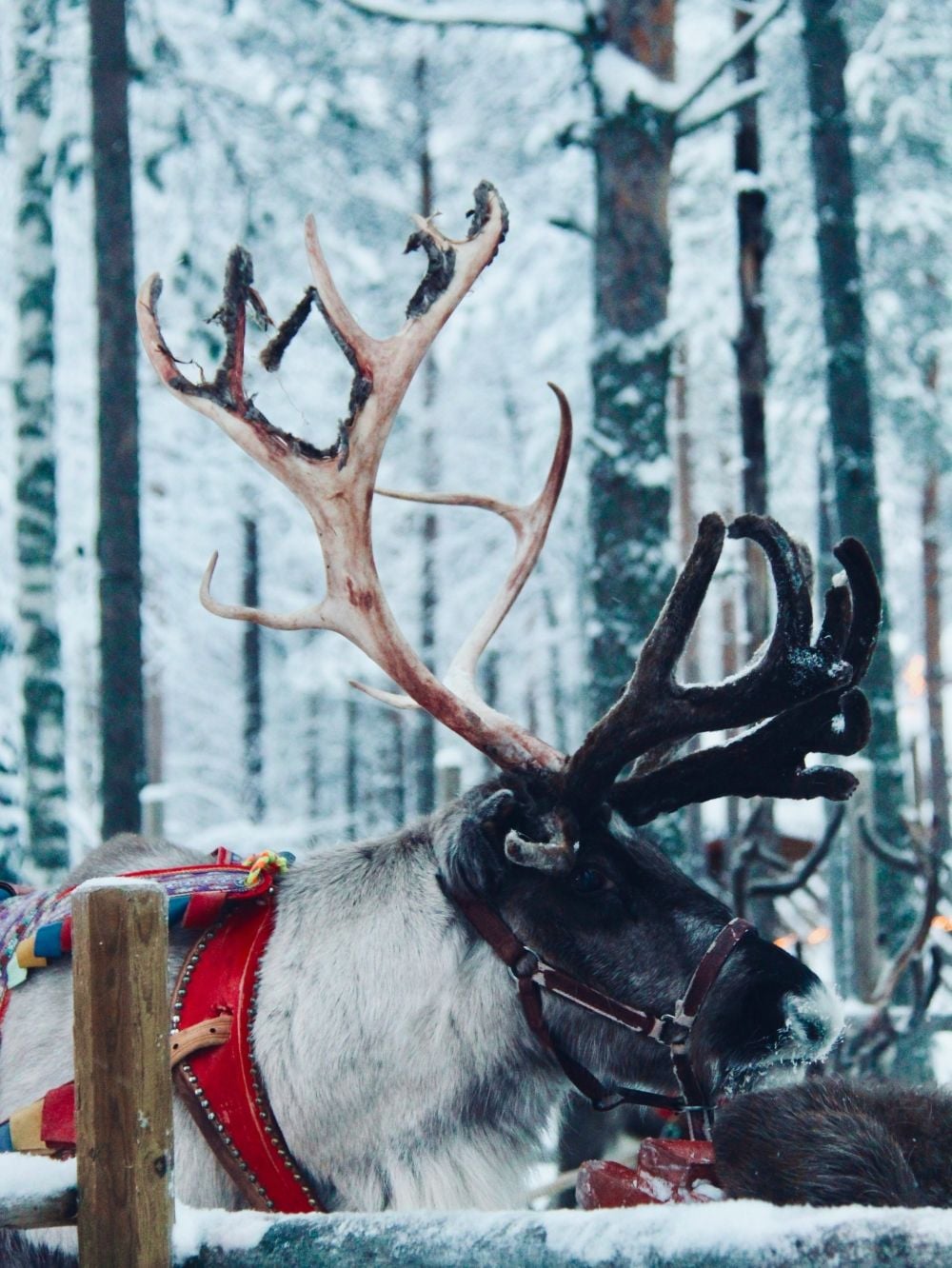
Lapland is my ultimate winter wonderland. Where is it? Deep in the Arctic north, where snow is guaranteed, … and it is the home of Santa Claus.
- Best time: December to March for deep snow and full winter activities. Northern lights are possible from about September to April.
- Don’t miss: Santa Claus Village in Rovaniemi, husky and reindeer sledding, and a night in a glass igloo.
- Good to know: In December the sun barely rises, so days are short and dark but very magical.
2. Tromsø | Norway
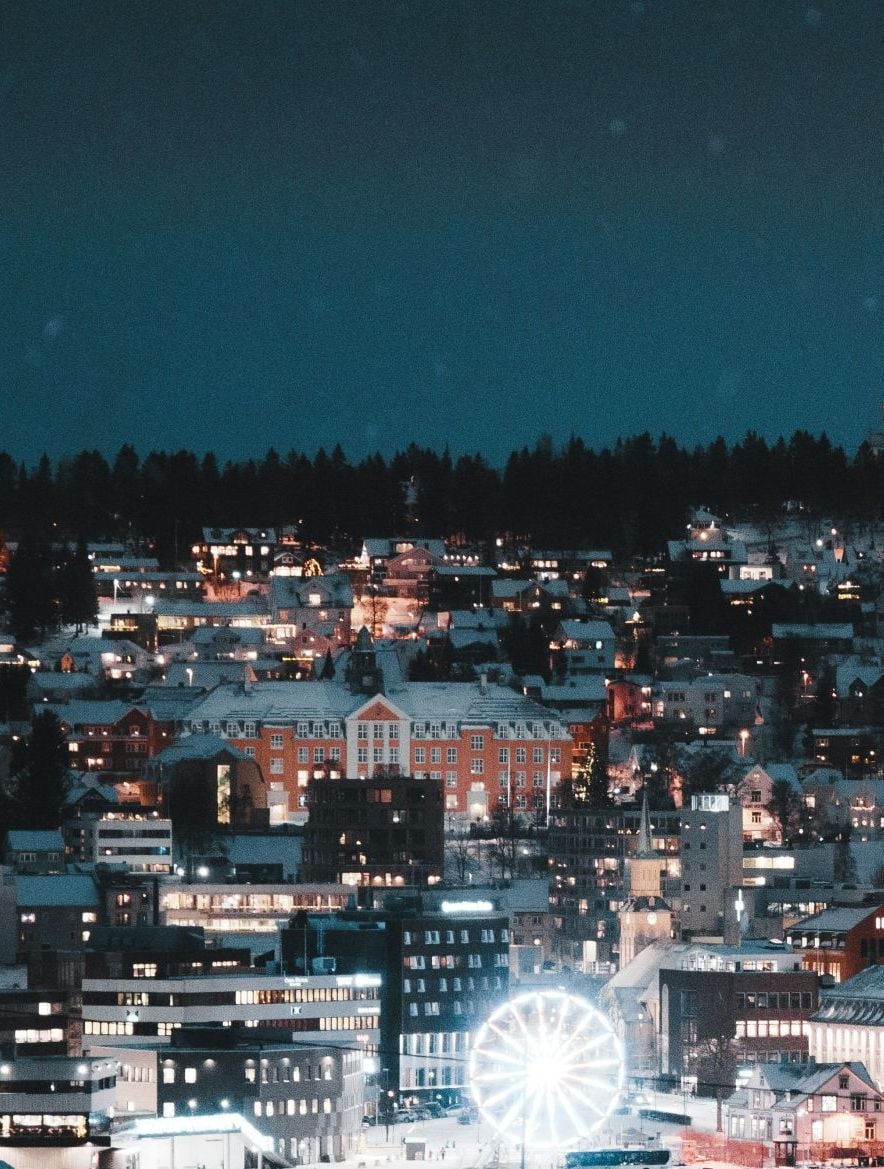
Tromsø is one of the best places in the world to see the northern lights. I’ve been there twice and it’s truly magical. The city is located far above the Arctic Circle, and it’s surrounded by snowy mountains and fjords.
- Best time: Late September to early April for the northern lights. December brings the dark polar nights and a festive mood.
- Don’t miss: A northern lights tour away from the city, plus dog sledding and whale watching.
- Good to know: Go outside the city lights and stay a few nights, since the lights need a clear, dark sky.
3. Vienna | Austria
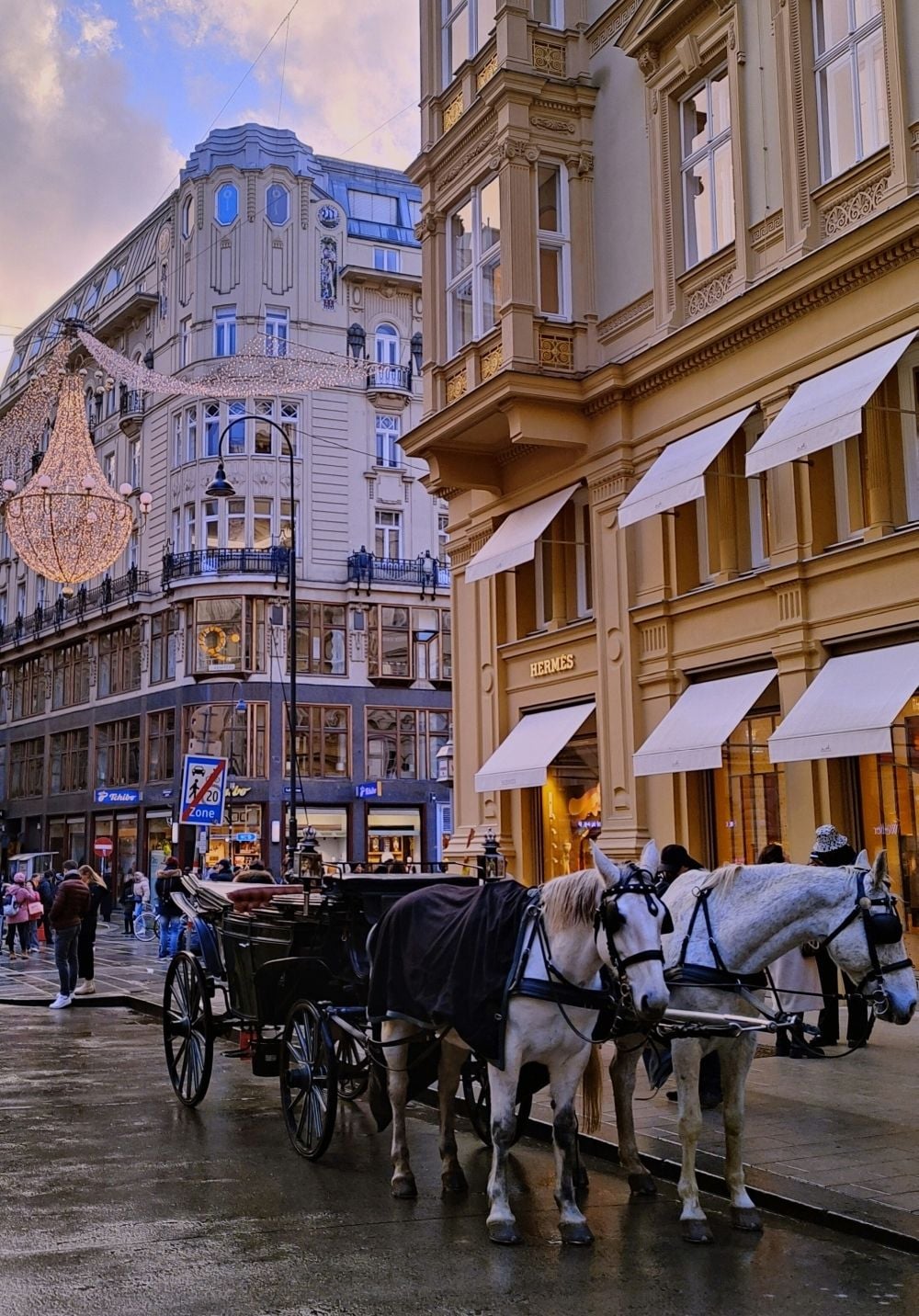
Vienna turns into a festive fairytale in the magical winter season. The grand imperial buildings look even better under lights and snow.
- Best time: Mid-November to late December for the Christmas markets, which are some of the most famous in Europe.
- Don’t miss: The market in front of the City Hall (Rathaus), mulled wine, and a warm coffee house afterward.
- Good to know: The markets get busy in the evening, so go earlier in the day for a calmer visit.
4. Colmar | France
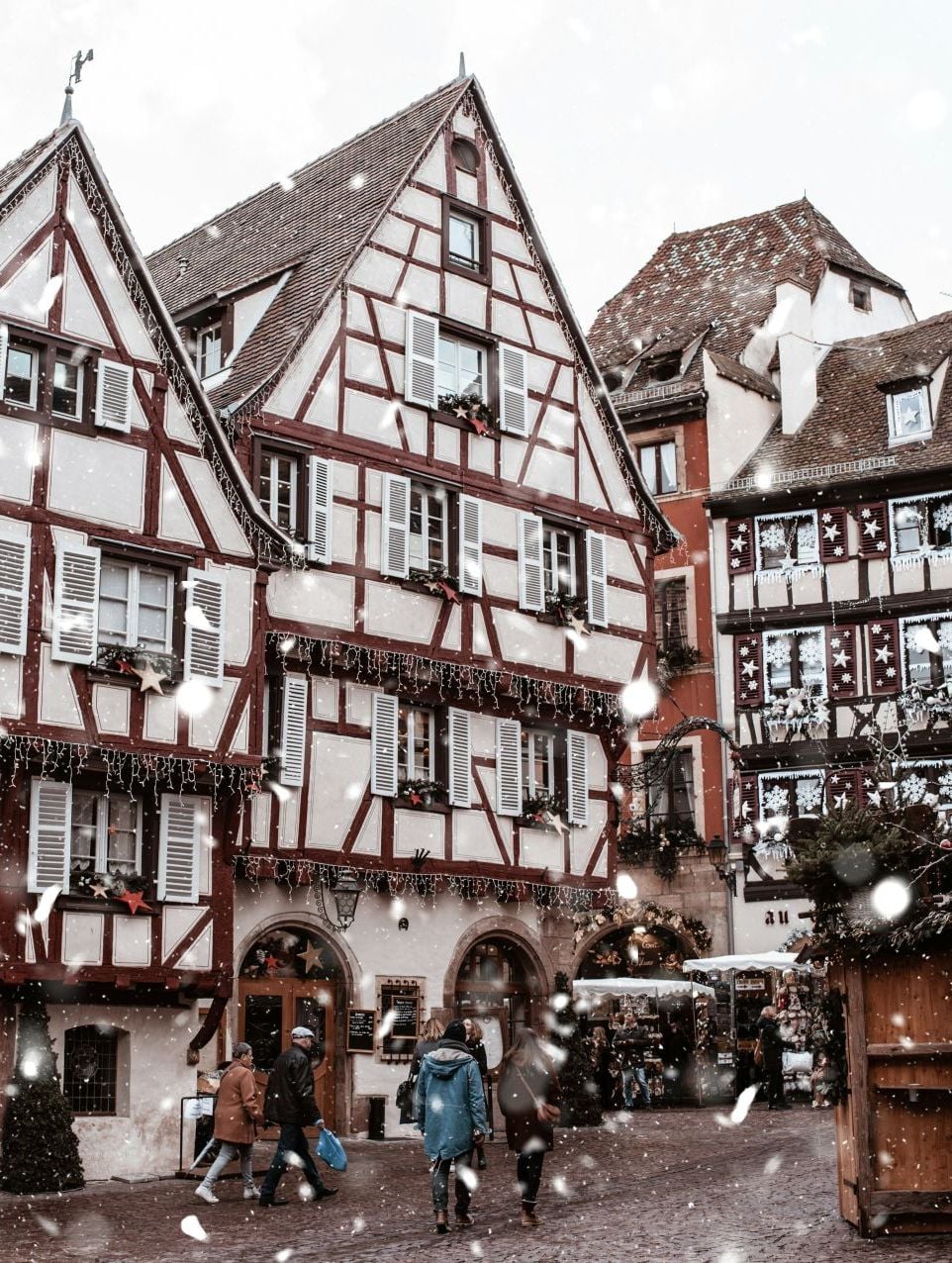
Colmar looks like a page from a storybook, with colorful old houses along small canals. In winter the whole town fills with Christmas markets and lights.
- Best time: Late November to late December for the Christmas markets, which are among the prettiest in Europe.
- Don’t miss: The six markets across the old town, hot wine (vin chaud), and the lights along the canal at night.
- Good to know: Snow is not common here, so the magic comes from the lights and the old houses, not from snow.
5. Bruges | Belgium
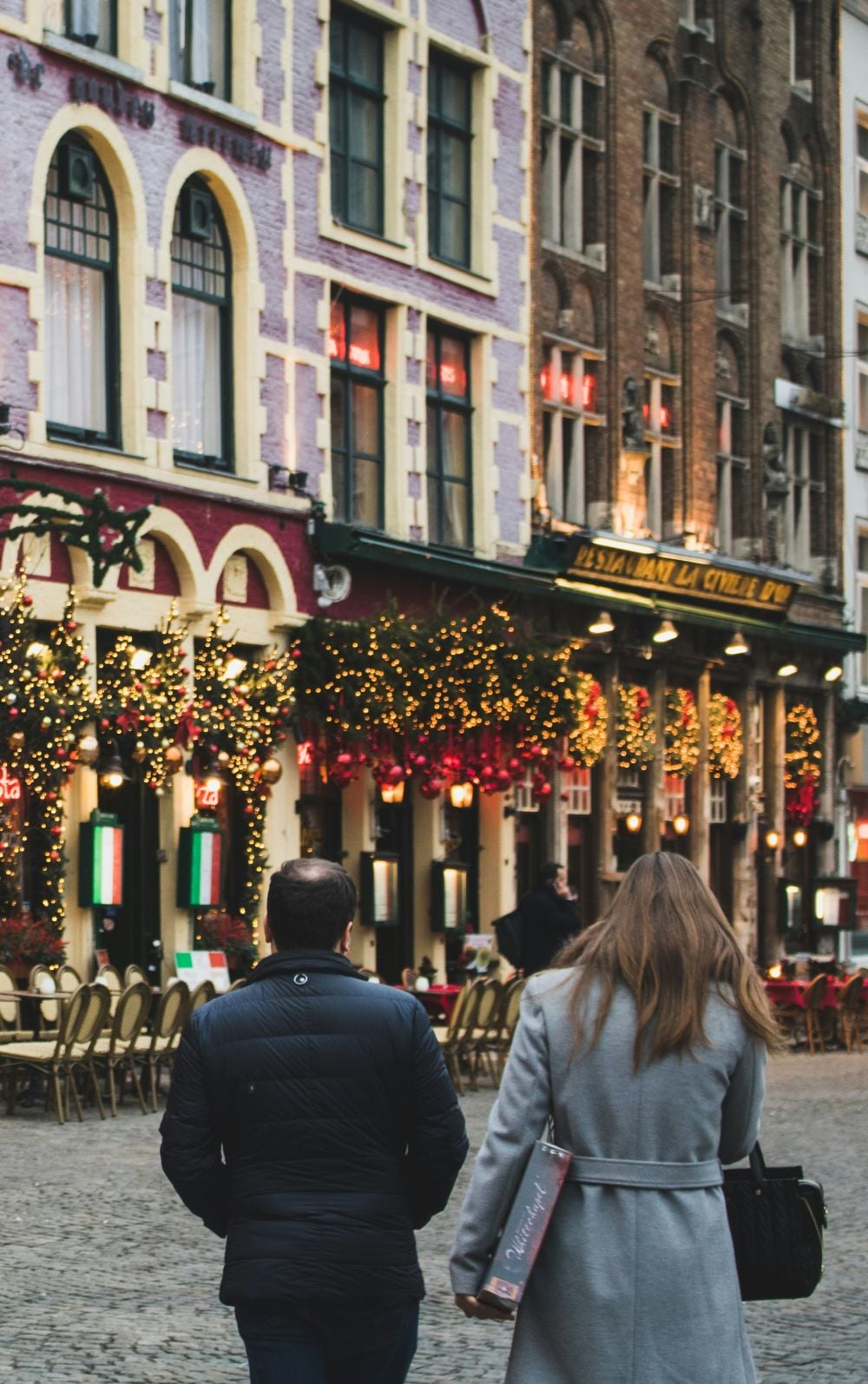
Bruges is a beautiful medieval city with canals and gingerbread-style houses. In winter it feels cozy and festive, with markets and twinkling lights.
- Best time: Late November to early January for the Christmas market and the winter lights.
- Don’t miss: The market on the main square, the ice rink, and a slow walk along the canals after dark.
- Good to know: Snow is rare and rain is common, so pack warm, waterproof clothes. Stay a night to enjoy the evening magic.
6. Grindelwald | Switzerland
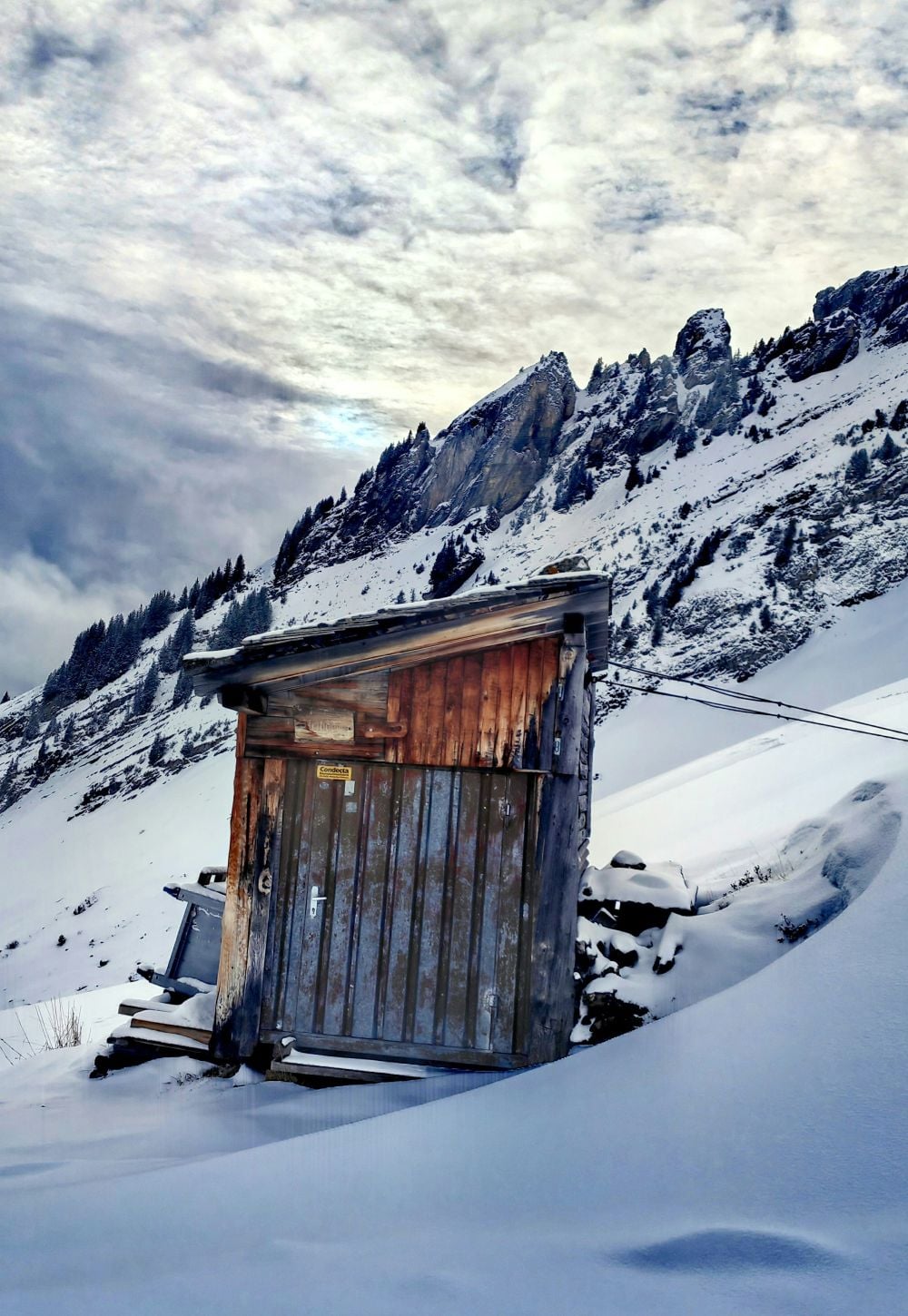
Grindelwald is a classic Swiss mountain village under steep, snowy peaks. In winter it becomes a postcard of white slopes and wooden chalets.
- Best time: December to March for snow, skiing, and clear alpine views.
- Don’t miss: The views of the Eiger, sledding runs, and the train up toward Jungfraujoch.
- Good to know: It is a real ski town in winter, but there is plenty for non-skiers too, like winter walks and mountain trains.
7. Strasbourg | France
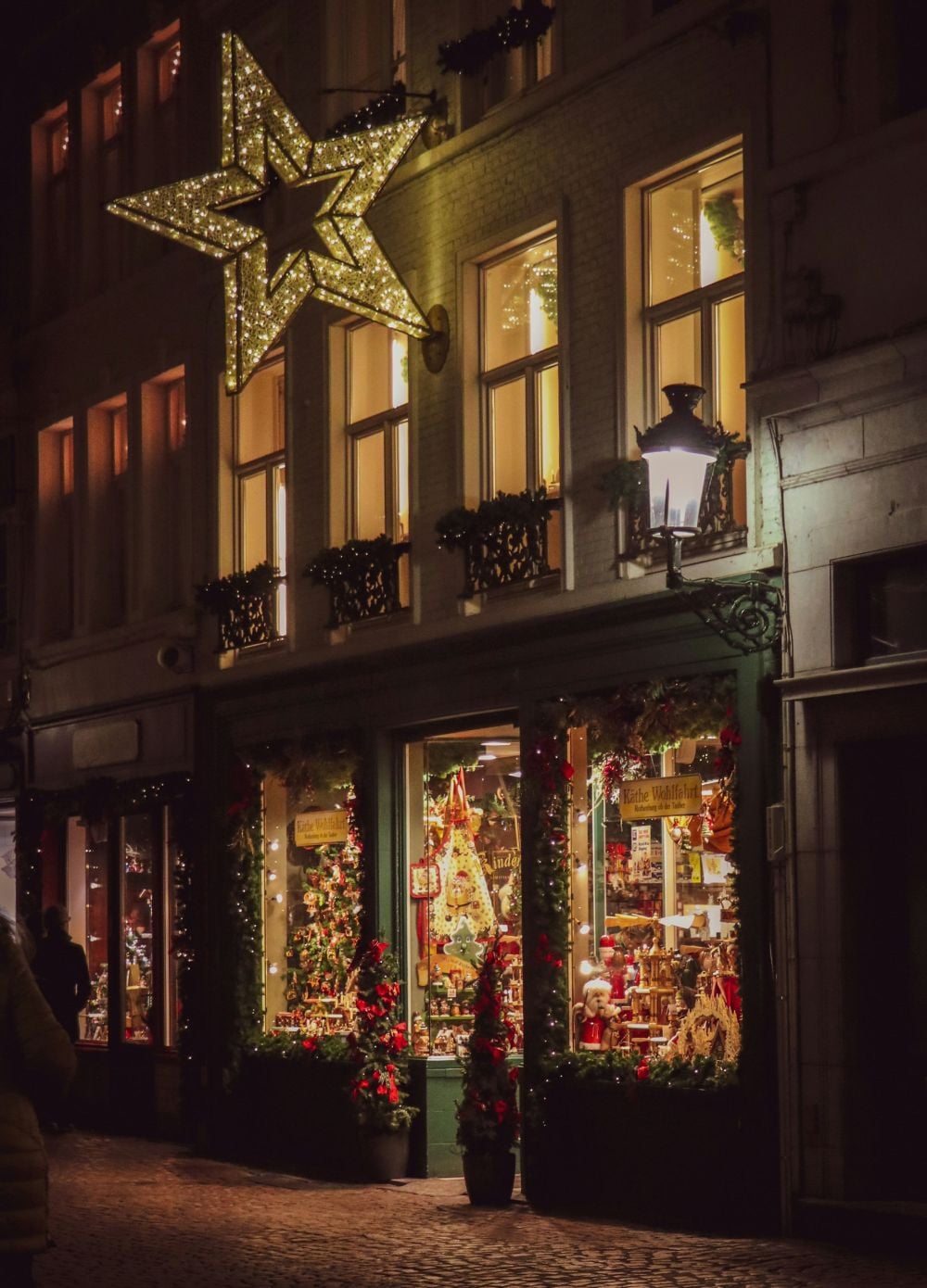
Strasbourg calls itself the Capital of Christmas, and it lives up to the name. The old town fills with lights, wooden stalls, and a giant Christmas tree in the main square.
- Best time: Late November to late December for the Christmas markets, one of the oldest and biggest in Europe.
- Don’t miss: The big tree at Place Kléber, the markets around the cathedral, and the canals of Petite France.
- Good to know: It gets very busy on weekends, so visit on a weekday or earlier in the day if you can.
8. Salzburg | Austria
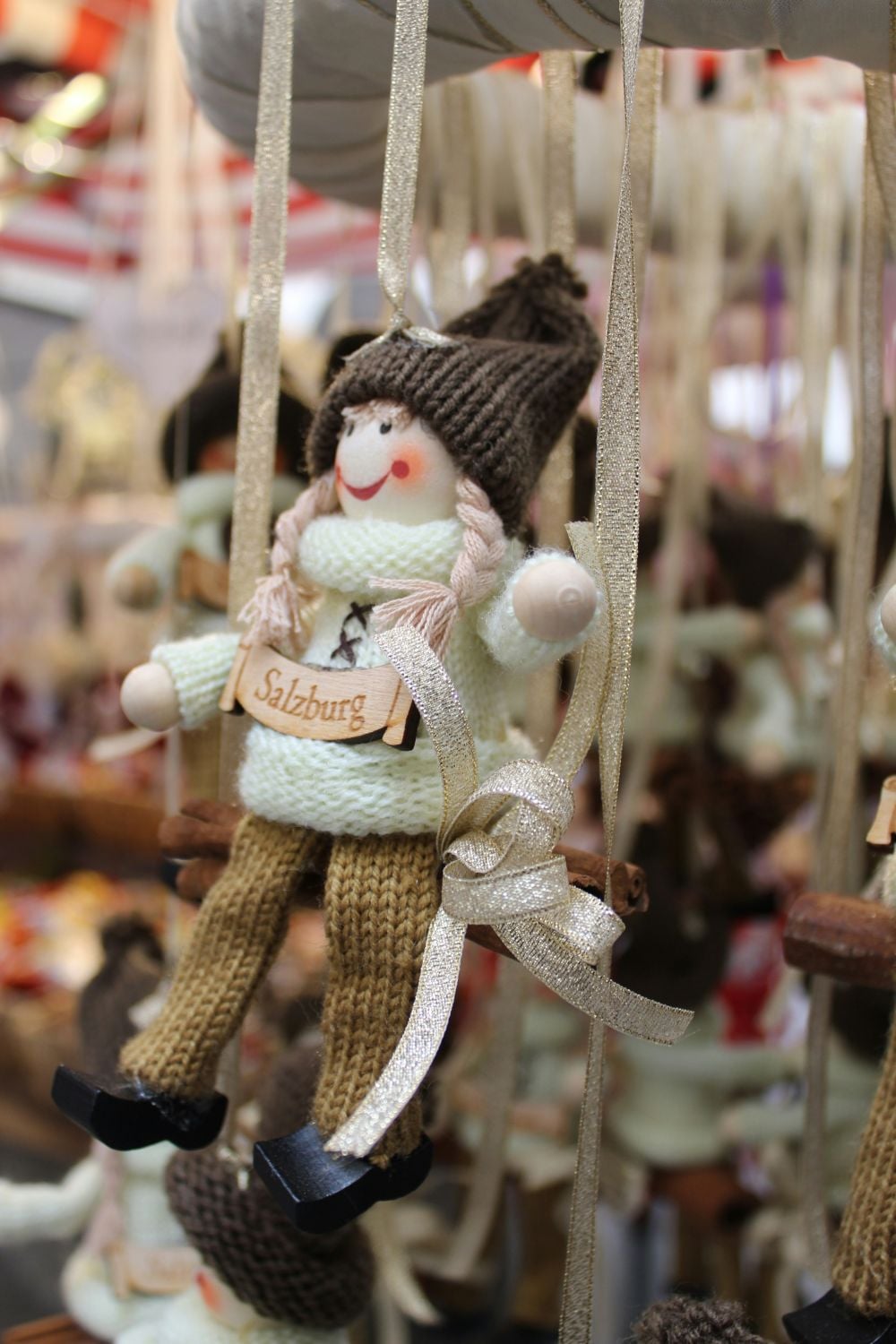
Salzburg is a baroque city under the Alps, and it turns into a snow globe in winter. It is the city of Mozart and the Sound of Music, with one of the oldest Christmas markets in Europe.
- Best time: Mid-November to late December for the Christmas markets, with some open into early January.
- Don’t miss: The main Christkindlmarkt in the old town, the fortress above the city, and a warm Mozartkugel treat.
- Good to know: The markets are lovely, but Vienna’s are bigger, so come for the whole city, not just the market.
9. Hallstatt | Austria
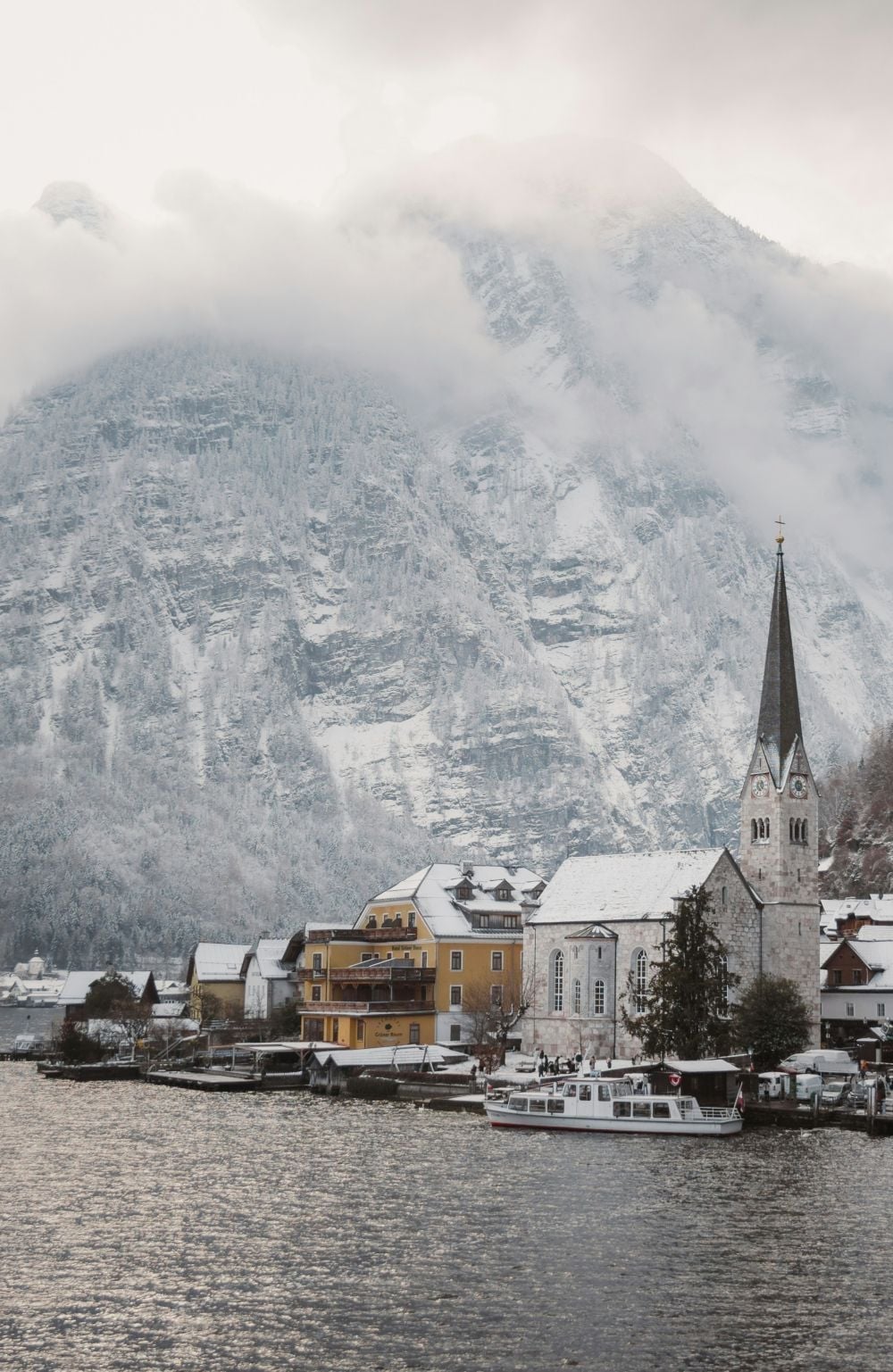
Hallstatt is a tiny lakeside village that looks like a living Christmas card in the snow. Steep white mountains rise behind the old wooden houses and the calm lake.
- Best time: December to February for snowy views. November, February, and March are quieter than the busy Christmas break.
- Don’t miss: The classic view over the village, a walk by the lake, and the Skywalk viewpoint above the town.
- Good to know: The village Christmas market is very small, so come for the snowy scenery, not the market. Stay a night to enjoy it without the day crowds.
10. Bled | Slovenia
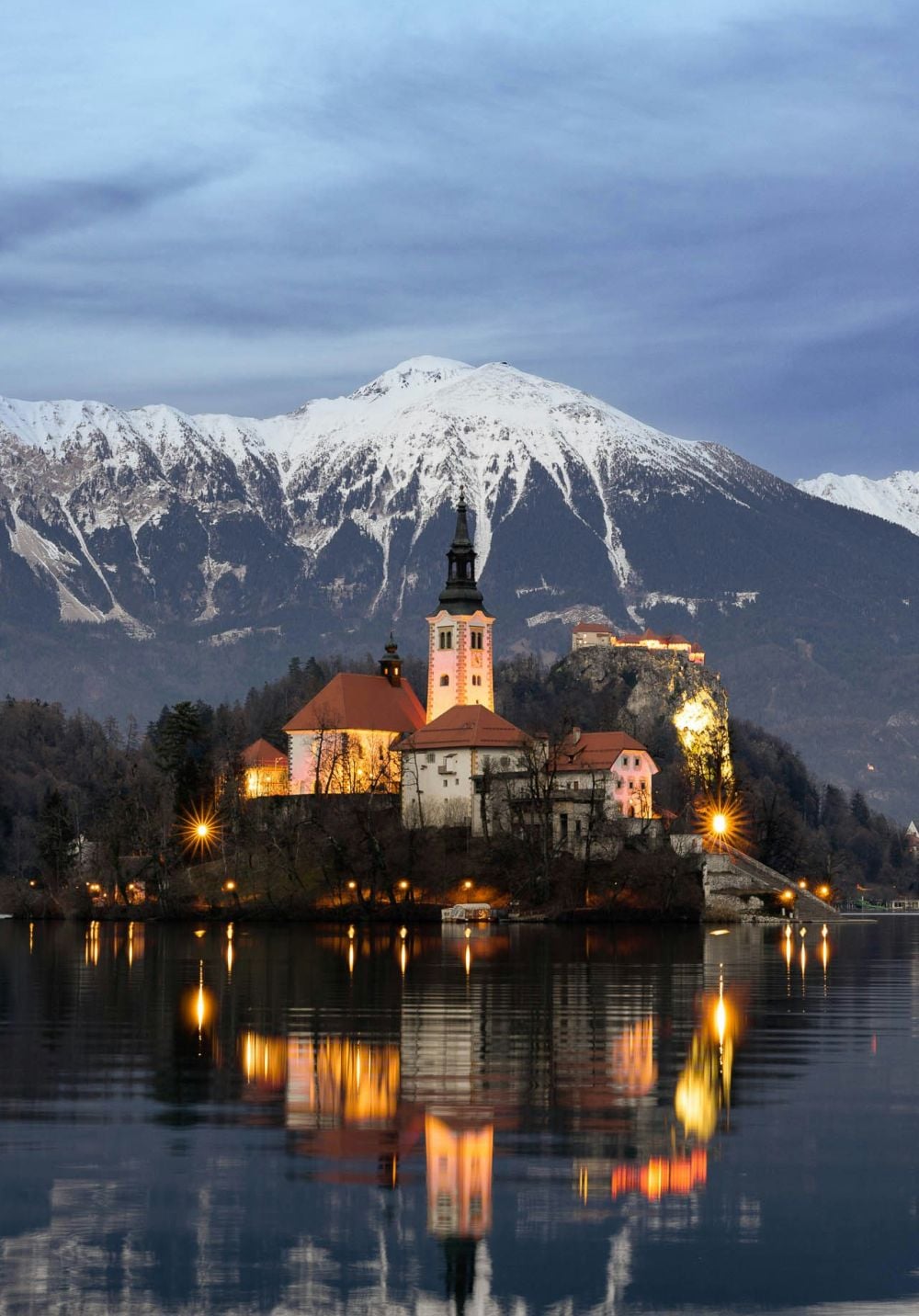
Bled is a dreamy lake with a tiny island church and a castle on a cliff above the water. In winter the whole scene turns into a quiet fairytale under the Julian Alps.
- Best time: Late November to early January for the Christmas market and the winter lights around the lake.
- Don’t miss: The wooden boat (pletna) to the island, Bled Castle for the views, and a slice of the famous Bled cream cake.
- Good to know: Snow is not guaranteed at lake level, but the setting is beautiful in any winter weather.
💡 Tip: Visit my Magical European Bucket List Places Article